Knowledge base · Ingredients
Food ingredient encyclopedia
A food ingredient is any single substance — whole food, extract, or manufactured additive — combined to make a product. This is NakedCalorie's plain-English reference to the ingredients that dominate modern packaged food, from starches and gums to emulsifiers, oils, and non-sugar sweeteners.
What counts as a food ingredient?
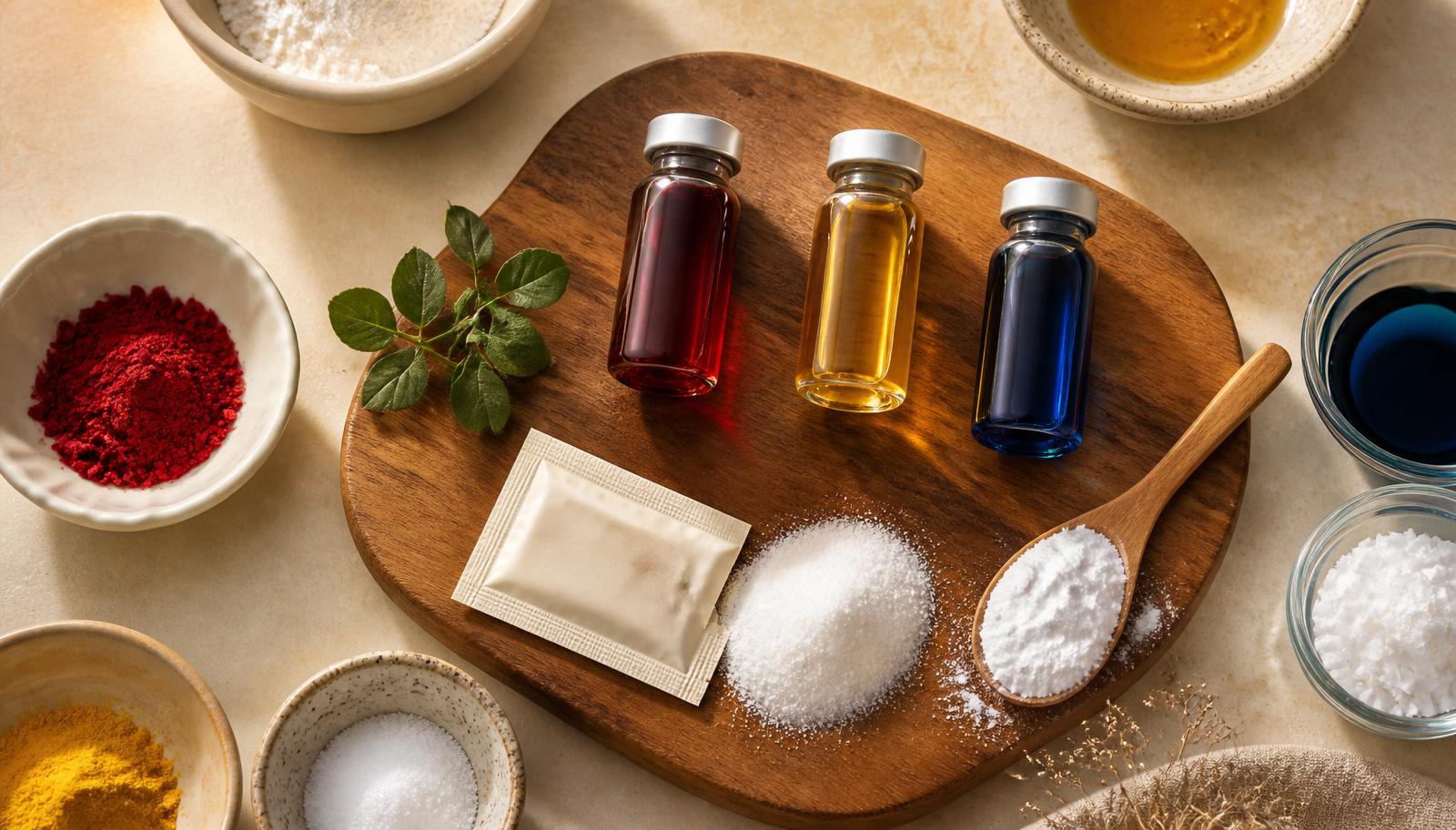
A food ingredient is any single substance combined with others to make a food product. Regulators split ingredients into three functional buckets: whole foods (flour, milk, tomato), extracted culinary ingredients (salt, oil, sugar), and additives (colours, flavours, preservatives, emulsifiers, sweeteners, and processing aids).
The US Food, Drug, and Cosmetic Act defines a food additive as any substance whose intended use results, directly or indirectly, in it becoming a component of food, unless the substance is generally recognised as safe (GRAS) under conditions of intended use. The European Union uses a functionally identical definition in Regulation (EC) No 1333/2008, then assigns each approved additive an E-number for traceability.
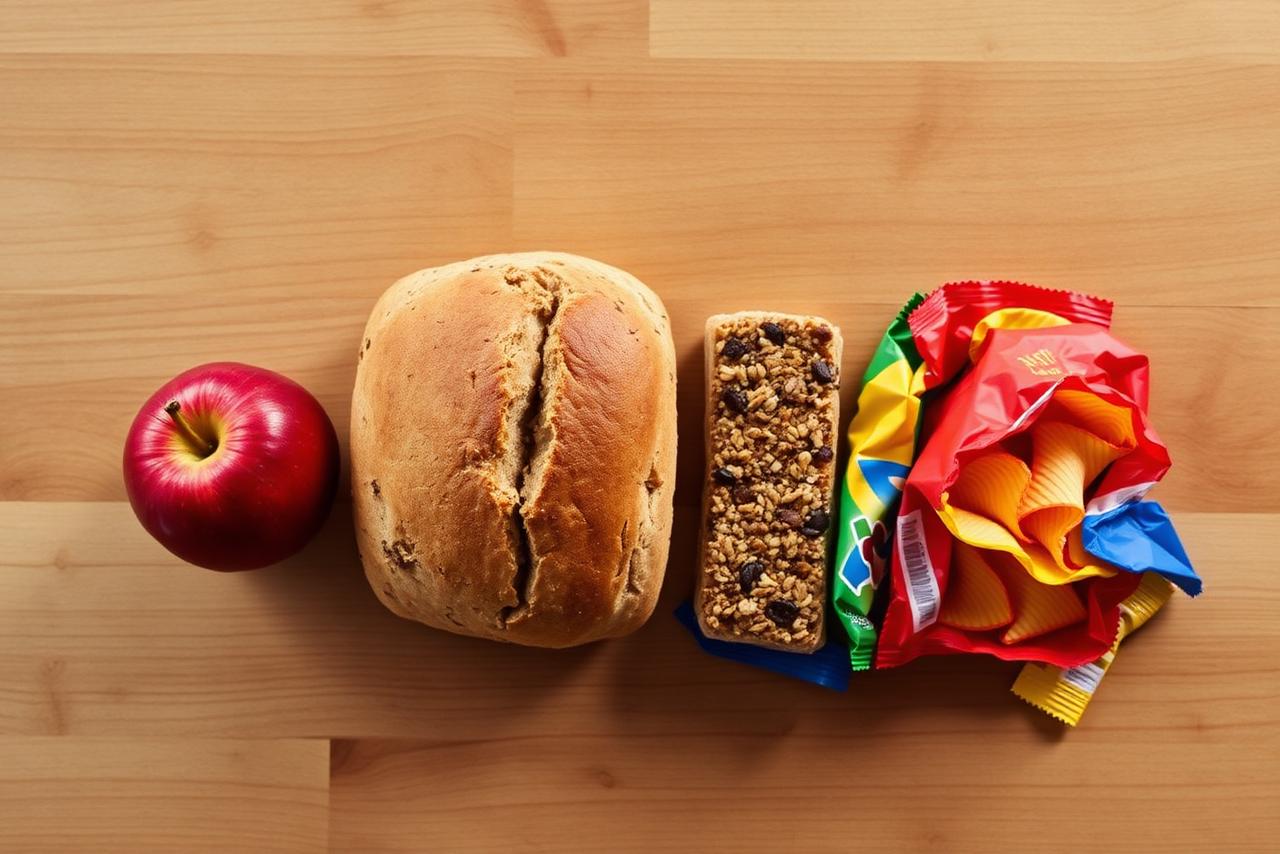
The distinction matters because the two categories are regulated differently, appear differently on the label, and carry different weight in NakedCalorie's food-quality score. Whole foods and extracted culinary ingredients are the basis of the NOVA Group 1–3 diet. Additives are the fingerprint of NOVA Group 4 — the ingredient class that most cleanly separates a home-cooked meal from an industrially formulated one. See the NOVA framework for the full context.
How is the ingredient list ordered and what does that tell you?
Both the US FDA (21 CFR 101.4) and the EU Food Information to Consumers Regulation (1169/2011) require ingredients to be listed in descending order of weight at the time of manufacture. The first three ingredients typically account for two-thirds of the product by weight; the tail contains the additives.
Two practical rules follow.
- Read the top of the list to know what the product mostly is. If sugar, oil, or a refined flour appears in the first three positions, the product is mostly sugar, oil, or refined flour, whatever the marketing on the front of the pack claims. A "protein bar" whose first ingredient is glucose syrup is a candy bar with protein powder in it.
- Read the tail of the list to know what the product was doing to survive on the shelf. Emulsifiers, thickeners, preservatives, and non-sugar sweeteners live at the end. Their presence — not their number — is what NOVA uses to trigger Group 4.
Ingredients present at less than 2% by weight can be listed in any order in the US, which is why the tail is not always a strict weight ranking. Compound ingredients (chocolate coating, biscuit filling) must have their own sub-ingredients disclosed in parentheses; a suspiciously short list often hides a longer one inside a compound.
What are the functional classes of food ingredients?
Regulators recognise around 30 functional classes of food ingredients. Nine of them account for almost every additive on a supermarket label: sweeteners, emulsifiers, thickeners, starches, oils and fats, flavours, colours, preservatives, and acidity regulators.
| Class | What it does | Common examples |
|---|---|---|
| Sweeteners | Provide sweet taste with or without calories | Sugar, HFCS, aspartame, sucralose, stevia |
| Emulsifiers | Keep oil and water phases mixed | Soy lecithin, mono- and diglycerides, polysorbates |
| Thickeners & gums | Modify viscosity, prevent separation | Xanthan gum, guar gum, carrageenan, pectin |
| Refined starches | Bulk, mouthfeel, carrier for other ingredients | Maltodextrin, modified corn starch, dextrose |
| Oils and fats | Energy, mouthfeel, frying medium | Palm oil, sunflower oil, soybean oil, hydrogenated fats |
| Flavours | Restore or add aroma and taste | Natural flavours, artificial flavours, MSG, disodium inosinate |
| Colours | Restore or add visual appeal | Red 40, Yellow 5, Yellow 6, beet juice, caramel colour |
| Preservatives | Inhibit spoilage, extend shelf life | Sodium benzoate, potassium sorbate, BHA, BHT |
| Acidity regulators | Set and stabilise pH | Citric acid, phosphoric acid, sodium citrate |
Every ingredient in the encyclopedia below carries its functional class and, where relevant, its E-number and FDA GRAS notice number. That metadata is what NakedCalorie uses to compute additive load — how many distinct additive classes are present in a product, not just how many total ingredients.
Which ingredients signal ultra-processing?
NOVA's Group 4 decision rule is a short list of ingredient markers. Presence of any one of them classifies the product as ultra-processed, regardless of the nutrition panel.
The markers, from Monteiro et al. (2019):
- Hydrogenated or interesterified vegetable oils
- Hydrolysed proteins and protein isolates (soy, whey, pea, milk)
- Invert sugar, high-fructose corn syrup, glucose-fructose syrup, dextrose, maltodextrin
- Modified starches
- Mechanically separated meat
- Any cosmetic additive — flavourings, colourings, non-sugar sweeteners, emulsifiers, thickeners, humectants, bulking agents, glazing agents, foaming or anti-foaming agents
A product with none of those on its label is Group 1, 2, or 3. A product with any of them is Group 4. This is why NakedCalorie's parser starts by scanning for the marker list before doing anything else. A single line — "contains: soy lecithin" — is enough to move a product from a nominally healthy Group 3 classification to Group 4. Whether that move meaningfully changes the product's health impact is a separate question the score answers using additive load and residue data alongside NOVA group.
Which ingredients does NakedCalorie flag most often?
Across a 2024 sample of 50,000 US supermarket products parsed by NakedCalorie, ten ingredients account for more than 60% of all Group 4 triggers. All ten have dedicated entries in the encyclopedia below.
- Maltodextrin — refined starch bulking agent, glycemic index ~85–105.
- Soy lecithin — emulsifier extracted from soybean oil refining.
- Mono- and diglycerides of fatty acids — emulsifier, also a source of hidden trans fat under US labelling rules.
- Modified corn starch — chemically or physically altered starch for stability.
- Natural flavours — regulatory umbrella covering thousands of flavour compounds.
- High-fructose corn syrup — enzymatically converted corn sweetener, 42–90% fructose.
- Palm oil — cheap, high-saturated-fat refined oil.
- Xanthan gum — bacterial hydrocolloid thickener.
- Carrageenan — seaweed-derived thickener under active research scrutiny.
- Citric acid — acidity regulator, benign but signals industrial preservation.
None of these ingredients is uniquely dangerous in isolation. What they mark is the manufacturing pathway: any product whose recipe leans on them was formulated in a plant, not assembled in a kitchen. That is the signal NakedCalorie surfaces on every scan.
What is the legal difference between GRAS and an approved food additive?
In the US, a substance can enter the food supply either through pre-market FDA approval as a food additive (21 CFR 172) or through a self-affirmed determination that it is Generally Recognised as Safe (GRAS) under 21 CFR 170.30. Roughly 3,000 substances are in the FDA's food additive database; an estimated further 3,000 to 10,000 substances are used under GRAS.
The two paths lead to the same shelf but with very different oversight. Formal food-additive approval requires the manufacturer to submit a petition, and the FDA to review the safety data and publish a regulation authorising the use. GRAS was originally intended for substances with a long history of safe use — vinegar, salt, common spices — but has expanded through a voluntary notification program in which the manufacturer notifies the FDA of a self-affirmed determination and the agency responds with a "no questions" letter or, less commonly, an objection.
A 2013 review by the Pew Charitable Trusts found that of 275 GRAS notifications submitted to the FDA between 1997 and 2012, only about 62% were reviewed by a panel that included an independent scientist. The remainder relied entirely on employees or paid consultants of the sponsoring company. That structural gap is why NakedCalorie treats "FDA-approved" as a floor, not a ceiling, and pulls on independent research — Chassaing on emulsifiers, Suez on sweeteners — when it exists.
Why are the same product's ingredients different in the US and EU?
The EU pre-authorises every food additive through the European Food Safety Authority (EFSA) and requires re-evaluation on a fixed schedule. The US allows GRAS self-affirmation with no expiry. The result is a divergence in permitted ingredients that is easy to see on the label of any multinational brand.
Ingredients permitted in the US and banned or restricted in the EU:
- Potassium bromate — dough conditioner in some US breads; banned in the EU since 1990, in the UK since 1990, in Canada since 1994.
- Azodicarbonamide (ADA) — dough conditioner and bleaching agent; banned in the EU and Australia; still allowed in the US.
- Brominated vegetable oil (BVO) — emulsifier in some citrus sodas; banned in the EU, banned in the US in 2024 after decades of use.
- Titanium dioxide (E171) — whitening agent; banned in the EU in 2022 on EFSA advice; still allowed in the US.
- Red 3 (erythrosine) — food dye; banned for use in cosmetics in the US since 1990, banned in food in 2025 after 35-year delay; still restricted in the EU.
- BHA and BHT — antioxidant preservatives; restricted in the EU, freely used in US cereals and gum.
The regulatory divergence is not a proof that the EU is right and the US is wrong on every case. It is a reminder that "on the market" is a weaker safety signal than most consumers assume. NakedCalorie flags EU-restricted additives on US products so users can decide for themselves.
How do you spot hidden sugar and sodium on a label?
Sugar and sodium hide in ingredient lists under more than 60 different names. US and EU regulators require the total sugars and sodium to be declared on the nutrition panel, but the ingredient list is where you see whether they were added and in what form.
Common aliases for added sugar:
- Any -ose word — sucrose, fructose, glucose, dextrose, maltose, lactose (in a dessert), galactose
- Any syrup — corn syrup, high-fructose corn syrup, rice syrup, agave syrup, malt syrup, brown rice syrup, cane syrup, invert syrup
- Any concentrate — fruit juice concentrate, apple juice concentrate, grape juice concentrate
- "Natural" sugars branded as healthful — coconut sugar, date sugar, honey, maple sugar, molasses
- Refined forms — cane sugar, brown sugar, muscovado, turbinado, powdered sugar, castor sugar
Common carriers of hidden sodium:
- Sodium bicarbonate, sodium citrate, sodium phosphate, sodium nitrite, sodium benzoate, sodium erythorbate
- Monosodium glutamate (MSG), disodium inosinate, disodium guanylate
- "Sea salt," "kosher salt," "Himalayan salt" — chemically identical to table salt
- Baking soda, baking powder, self-raising flour
NakedCalorie sums all added-sugar aliases into a single "added sugar" figure and all sodium carriers into a single sodium figure on every scanned product, so the nutrition panel and the ingredient list agree with each other.
Which ingredients are under active research scrutiny in 2026?
Three ingredient families dominate the current literature on processing and metabolic health: emulsifiers, non-sugar sweeteners, and industrially refined seed oils. Each has a body of mechanistic evidence, at least one recent randomised trial, and at least one epidemiological cohort.
Emulsifiers. Chassaing et al. (2015, Nature) reported that dietary polysorbate-80 and carboxymethylcellulose alter the gut microbiota of mice and induce low-grade inflammation. Chassaing et al. (2022, Gastroenterology) extended the finding to humans in a randomised controlled feeding study of carboxymethylcellulose. NutriNet-Santé (2023) linked high emulsifier intake with a 3% higher cardiovascular disease risk per standard-deviation increase. See carrageenan and mono- and diglycerides for entry-level references.
Non-sugar sweeteners. Suez et al. (2022, Cell) showed distinct glycemic responses to saccharin and sucralose in a randomised trial of 120 healthy adults, mediated by the gut microbiome. The WHO's 2023 guideline on non-sugar sweeteners advises against their use for weight control based on a systematic review of 283 studies. The IARC in 2023 classified aspartame as "possibly carcinogenic to humans" (Group 2B), while the JECFA reaffirmed the existing ADI. NakedCalorie surfaces both signals on aspartame and sucralose.
Industrially refined seed oils. The debate is less about the oils themselves — omega-6 linoleic acid is a required nutrient — than about their extraction (hexane solvent, deodorisation at 250 °C) and their overwhelming dominance in Group 4 formulations. High-quality randomised evidence on health outcomes is thin; observational associations are mixed.
How does NakedCalorie rank ingredient impact?
Every ingredient in the encyclopedia carries an internal impact tier from 0 (neutral) to 3 (evidence of adverse effect at typical dietary exposure). The tier is a function of NOVA marker status, additive class, and the current strength of independent research.
- Tier 0 — neutral. Whole foods, water, vinegar, citric acid, ascorbic acid, tocopherols. Not counted toward additive load.
- Tier 1 — processing signal. Refined starches (maltodextrin, modified corn starch), refined sugars, refined oils, most gums. Count toward additive load but not individually flagged.
- Tier 2 — evidence-linked. Emulsifiers with published inflammation data (carrageenan, polysorbates), non-sugar sweeteners, artificial colours, preservatives with contested data (BHA, BHT, sodium nitrite). Individually surfaced in the scan.
- Tier 3 — evidence-linked and regulator-restricted. Ingredients banned or under active restriction in the EU or US (potassium bromate, azodicarbonamide, brominated vegetable oil, titanium dioxide). Surfaced with a regulator note.
The tiers are updated whenever a regulator issues a new opinion or a large peer-reviewed study lands. The full methodology sits in What's Inside.
Browse the ingredient encyclopedia
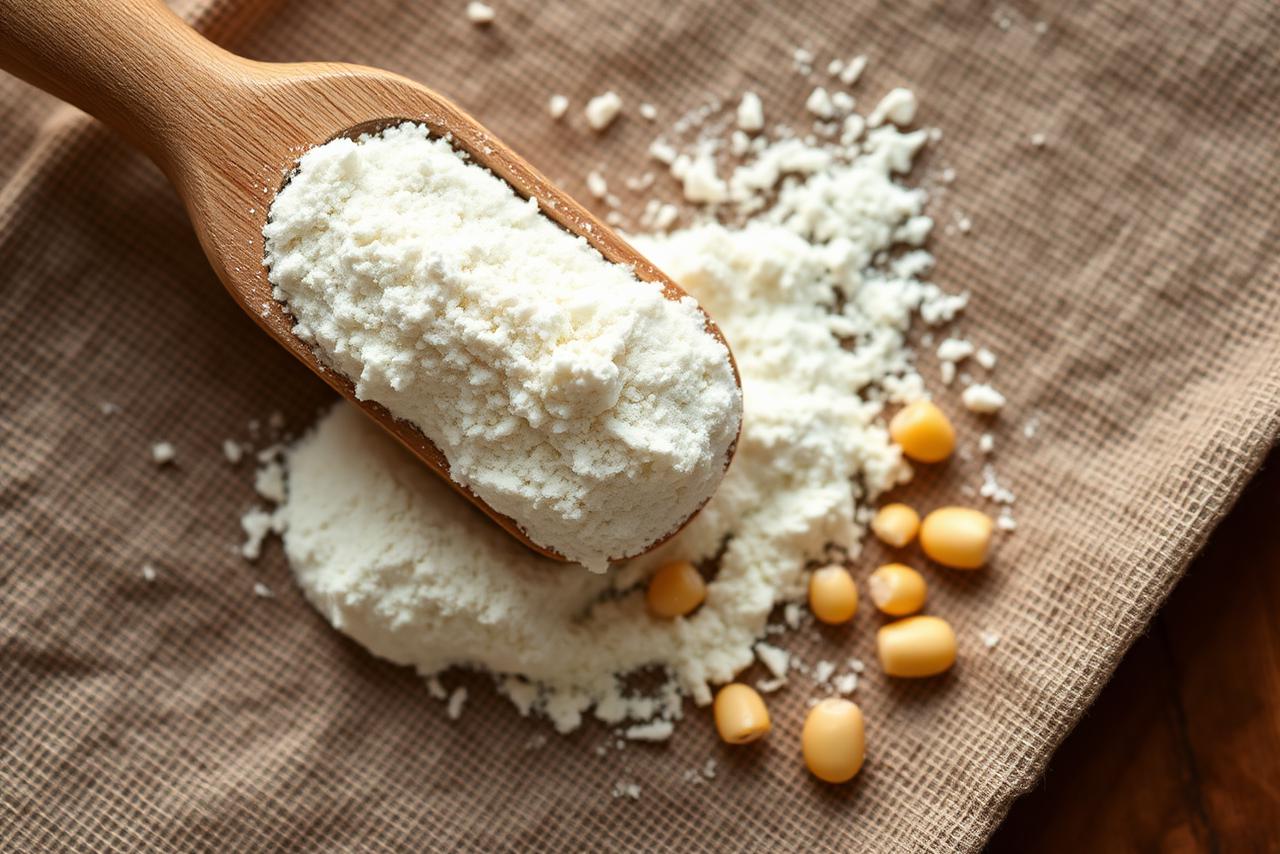
Maltodextrin
A cheap starch-derived powder that shows up in everything from protein bars to salad dressings. What it is, what it does, and why it's a Group 4 signal.
7 min read
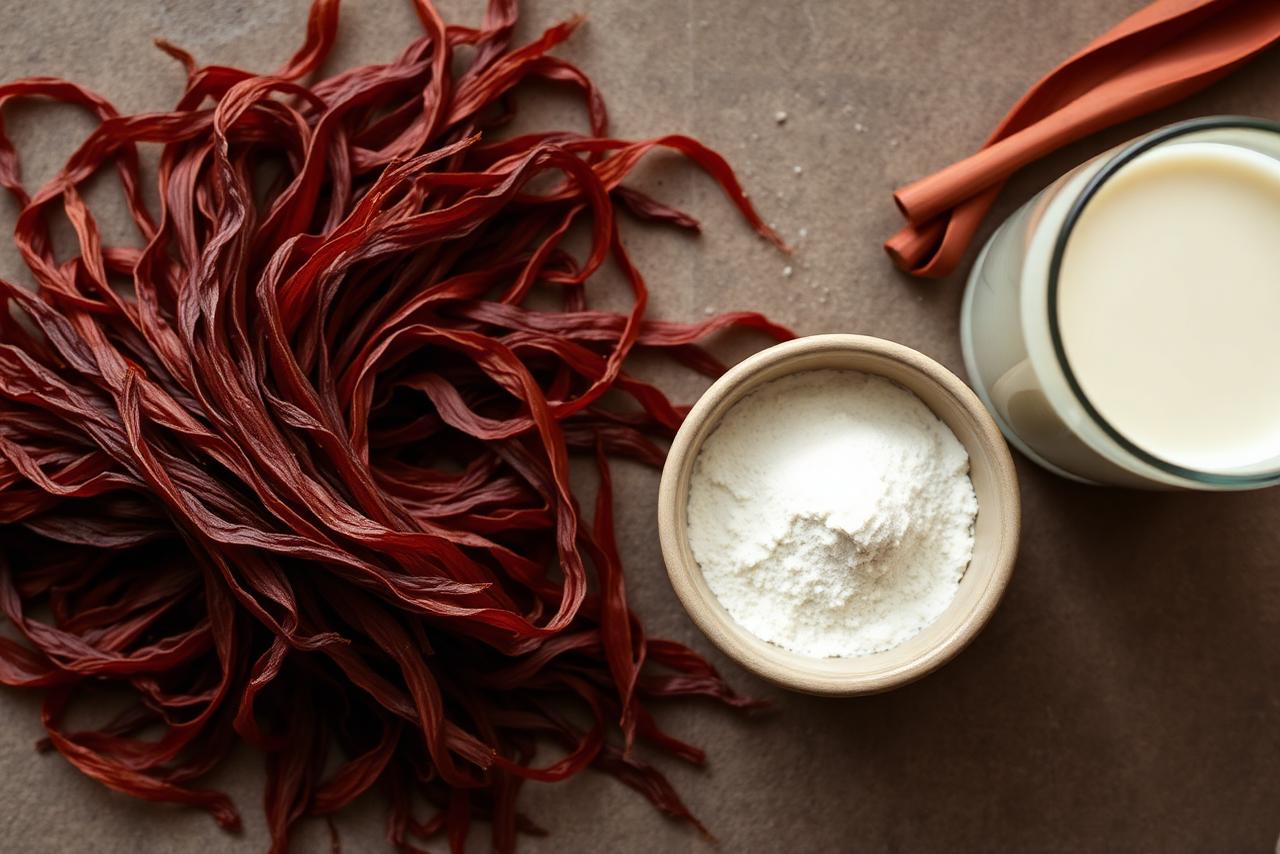
Carrageenan
A seaweed-derived thickener with a contested safety record. Where it comes from, what it does, and what the research actually says.
8 min read
Soy lecithin
The default industrial emulsifier. What it is, why almost every packaged food uses it, and how it interacts with the gut lining.
6 min read
Xanthan gum
The workhorse thickener behind gluten-free baking and low-fat dressings — fermented, purified, and mostly indigestible.
6 min read
Mono- and diglycerides
An emulsifier that keeps bread soft and ice cream smooth — and one of the last legal hiding places for trans fat in the US food supply.
7 min read
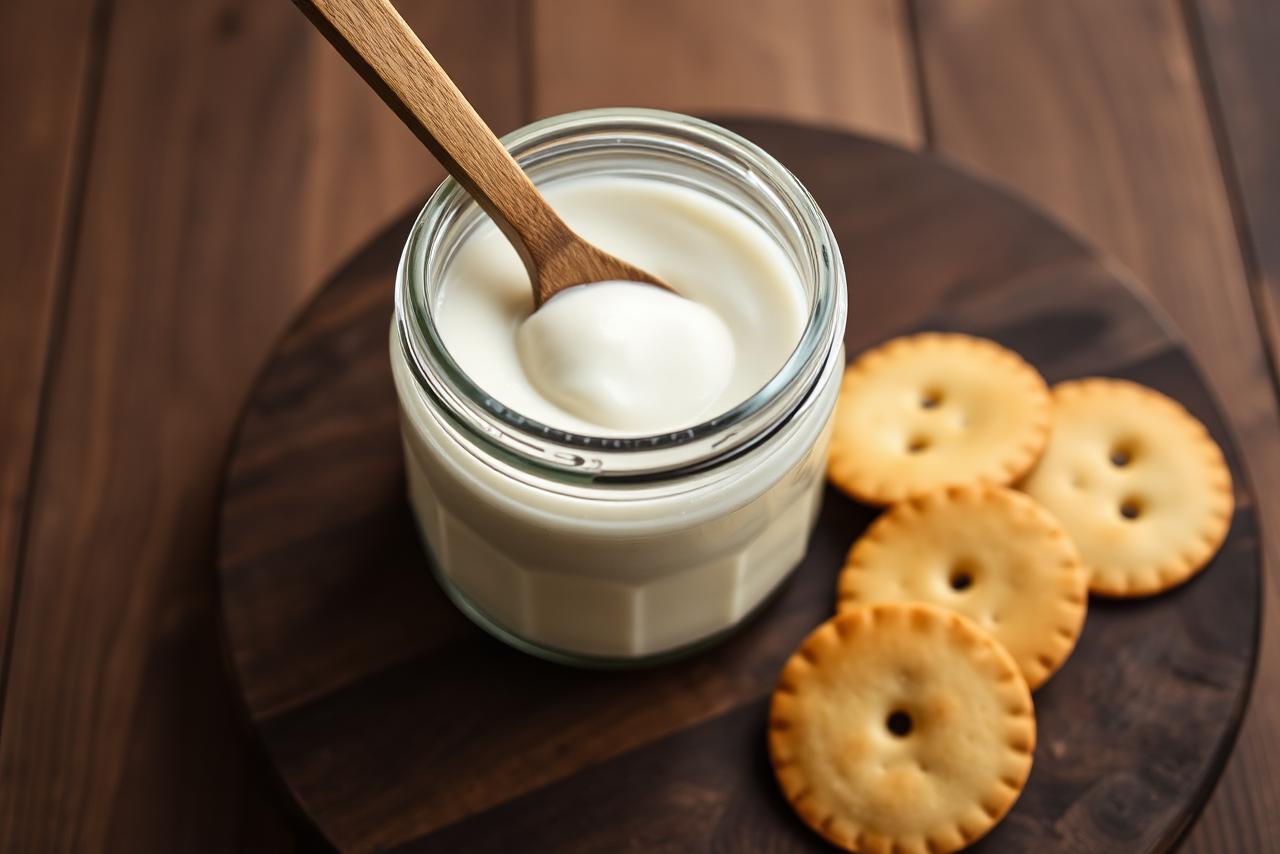
Hydrogenated and partially hydrogenated oils
The industrial fats behind margarines and shelf-stable baked goods. Why partial hydrogenation was banned, and what fully hydrogenated oils replaced it with.
7 min read
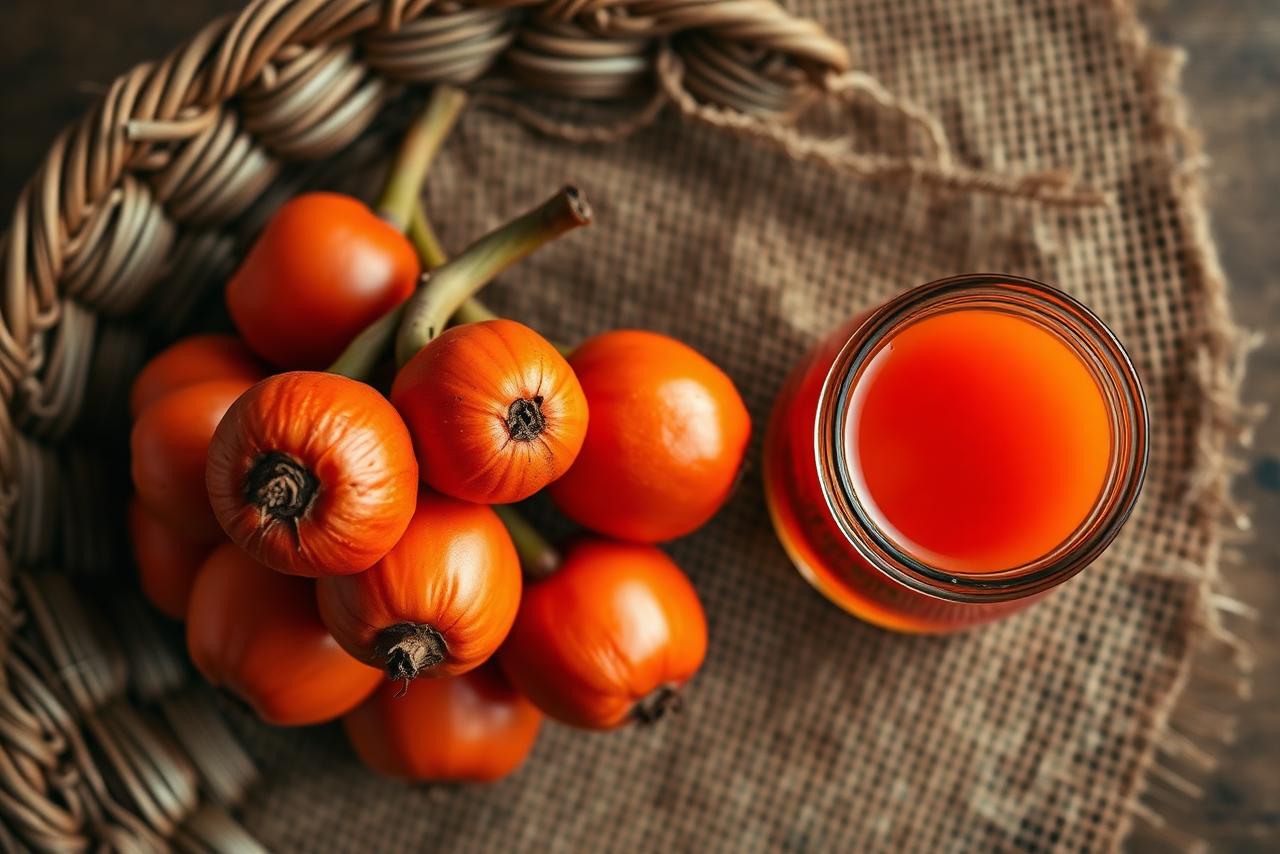
Palm oil
The world's most-used cooking oil and the default replacement after the trans-fat ban. What it is, where it comes from, and how NakedCalorie treats it.
7 min read
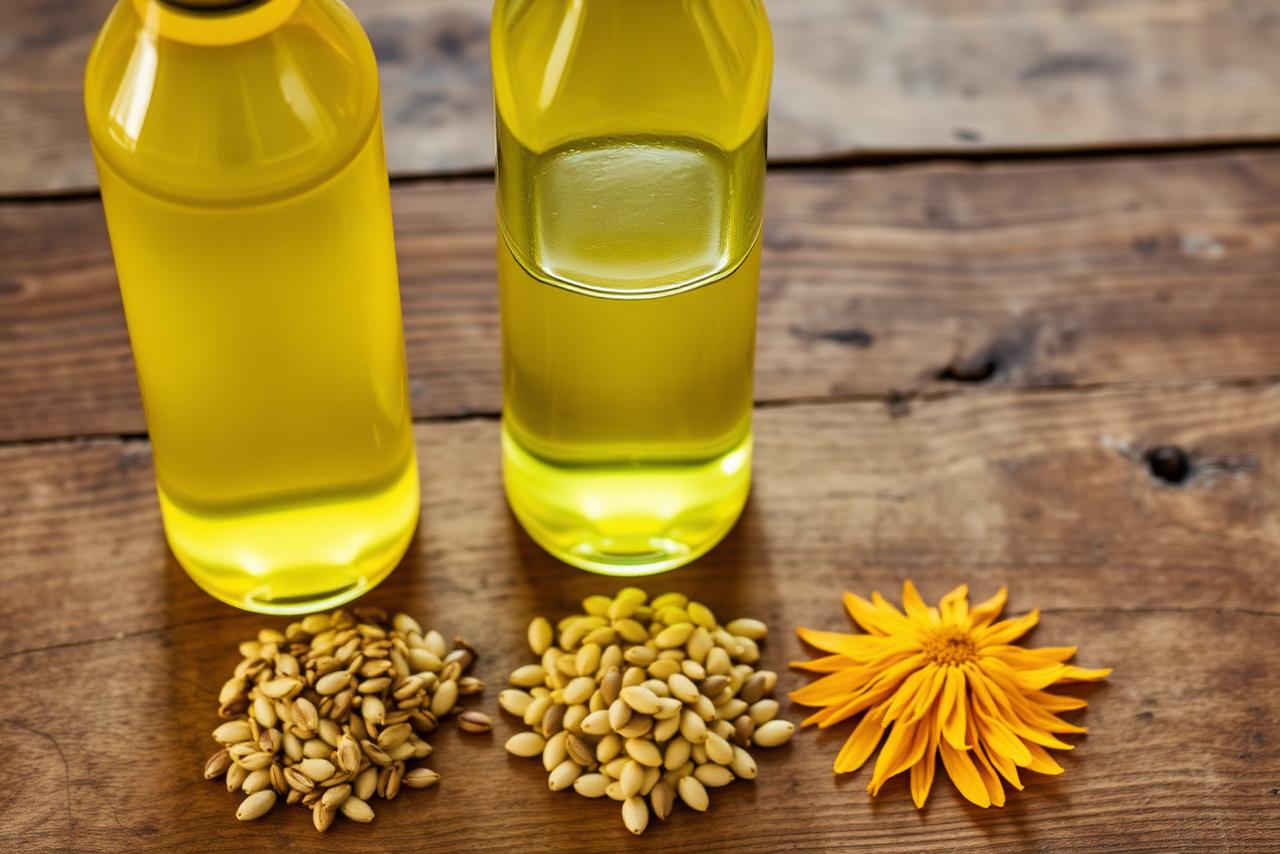
Seed oils — the industrial vegetable oils debate
The most-argued-about ingredient category on the internet. What the evidence actually shows about soybean, sunflower, canola, and cousins.
8 min read
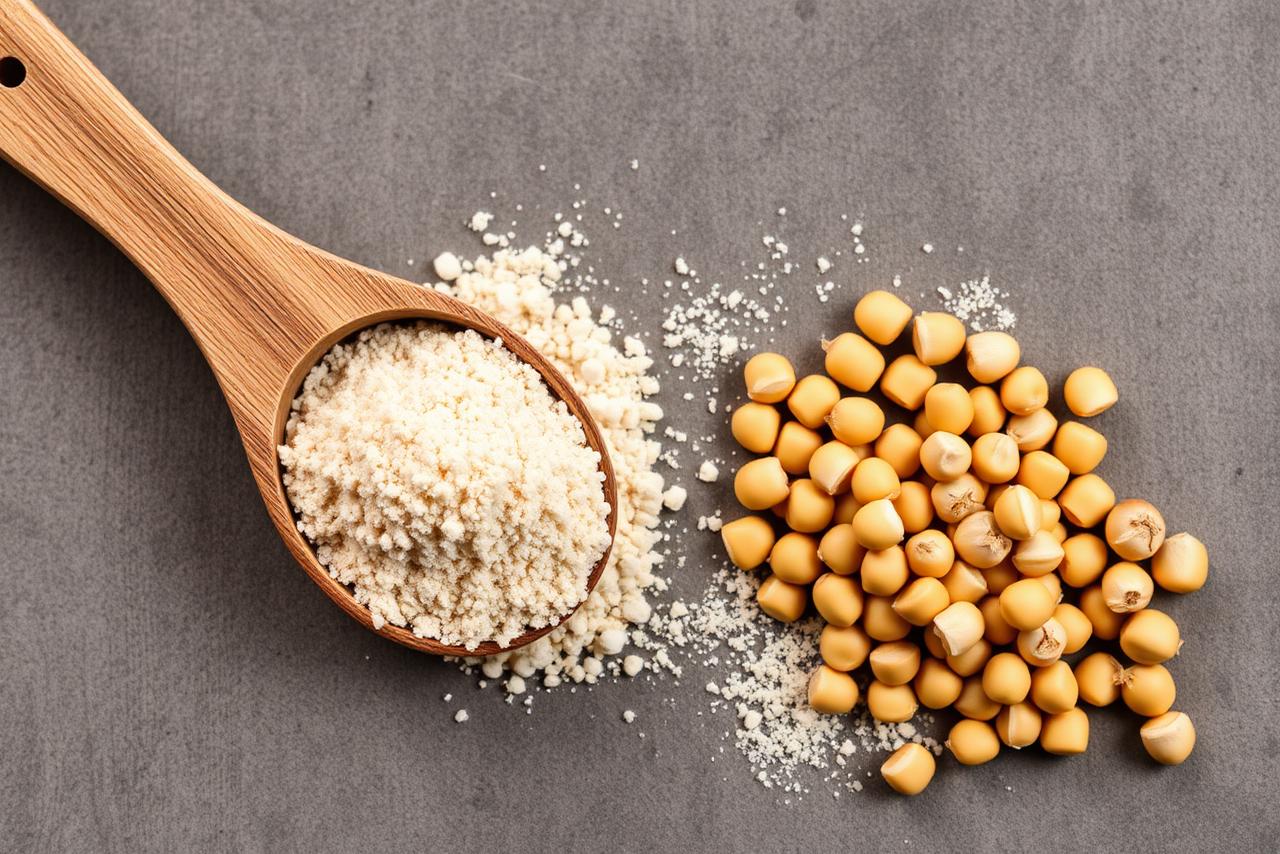
Protein isolates (whey, soy, pea)
The industrial protein powders that build most 'high-protein' snacks, shakes, and bars. What they are, and why they are a NOVA Group 4 marker.
7 min read
Frequently asked questions
- Why do so many packaged foods share the same handful of ingredients?
- Modern manufacturing relies on a small set of functional ingredients — refined starches, hydrocolloid gums, emulsifiers, protein isolates, refined oils, and non-sugar sweeteners — because they solve shelf-stability, texture, mouthfeel, and cost problems across almost every category. That is why maltodextrin, soy lecithin, and mono- and diglycerides appear across bread, yoghurt, ice cream, salad dressing, and protein bars.
- Is a long ingredient list always a bad sign?
- Not always, but it is a useful heuristic. A long list dominated by protein isolates, industrial oils, and cosmetic additives typically signals a NOVA Group 4 ultra-processed food. A long list of recognisable whole foods and spices — mole, curry, minestrone — does not. The right question is not 'how many ingredients?' but 'what fraction of them would you find in a home kitchen?'
- How does NakedCalorie parse ingredient lists?
- Every product is parsed against Open Food Facts, USDA FoodData Central, and additive registries (FDA GRAS, EFSA E-numbers). Each ingredient is normalised, matched to the encyclopedia, and its functional class (sweetener, emulsifier, thickener, colour, preservative, etc.) is added to the product's additive load, which then contributes to the food-quality score alongside NOVA group and residue data.
- Are 'natural' ingredients always safer than synthetic ones?
- No. 'Natural' is a marketing term with limited regulatory definition in most markets — in the US the FDA has never formally defined it for food. Some naturally derived ingredients have real research questions attached (carrageenan and gut inflammation, high-fructose corn syrup and metabolic outcomes), while several synthesised additives are among the best-characterised molecules in the food supply.
- Why are US and EU ingredient lists so different for the same brand?
- The two regulators use different frameworks. The US FDA lets manufacturers self-affirm ingredients as Generally Recognised as Safe (GRAS), while the European Food Safety Authority requires pre-market approval for every additive. The result is a handful of ingredients — potassium bromate, azodicarbonamide, titanium dioxide, brominated vegetable oil, several artificial colours — that are permitted in US formulations and banned or restricted in the EU. Reformulation costs are the reason multinationals ship different recipes to different markets.
- What is the difference between an ingredient and an additive?
- Every additive is an ingredient, but not every ingredient is an additive. An ingredient is any substance in the recipe. An additive is a substance added specifically to affect the food's characteristics — colour, flavour, texture, shelf life — rather than to provide nutrition. Salt is a Group 2 culinary ingredient; monosodium glutamate is an additive. Sugar is a culinary ingredient; sucralose is an additive.
- Does NakedCalorie flag an ingredient just because it is unfamiliar?
- No. The score is not driven by ingredient exoticism. Ascorbic acid (vitamin C), tocopherols (vitamin E), and citric acid all sound industrial and are all benign antioxidants. What NakedCalorie flags is the combination of a Group 4 NOVA classification, presence of specific evidence-linked additives (certain emulsifiers, artificial colours, non-sugar sweeteners), and additive count — not the length of the chemical name alone.
- Where does the research on food additives come from?
- Three main sources. Regulatory dossiers submitted to the FDA and EFSA include animal toxicology, developmental, and genotoxicity studies. Independent academic labs — Chassaing at INSERM, Suez at Weizmann, Cani at UCLouvain — publish mechanistic work on the microbiome and metabolism. Large prospective cohorts such as NutriNet-Santé (France) and UK Biobank track additive intake against long-term outcomes. Where the three lines converge, the evidence is strongest.
Continue in the knowledge base