Knowledge base · NOVA
The NOVA food classification system
NOVA is a food-classification system that sorts every food into one of four groups based on the extent and purpose of industrial processing, not calories or macronutrients. Developed by Prof. Carlos Monteiro's team at the University of São Paulo in 2009 and refined through 2018, it is the framework NakedCalorie uses to describe processing on every product label.
What is the NOVA food classification system?
NOVA is a four-group taxonomy that classifies every food and drink by the nature, extent, and purpose of the industrial processing applied to it, from Group 1 (unprocessed or minimally processed foods) to Group 4 (ultra-processed food and drink products). It is a processing classification, not a nutrient classification: the system asks what was done to a food before it reached the shelf, not how many calories, grams of fat, or milligrams of sodium it contains.
The framework was designed to answer a question that traditional nutrient panels cannot: why do populations whose diets are dominated by industrially formulated products show worse metabolic outcomes than populations eating the same calories and macros from home-cooked meals? NOVA does not try to grade individual foods as good or bad. It groups them by the industrial pathway that produced them, then leaves the interpretation of what that means for health to epidemiology and to systems like NakedCalorie's food-quality score.
Four groups sit on a scale of processing intensity:
- Group 1 — unprocessed and minimally processed foods (fresh apple, plain oats, chicken breast).
- Group 2 — processed culinary ingredients extracted from Group 1 (salt, olive oil, butter, sugar).
- Group 3 — processed foods made by combining Group 1 and Group 2 (canned beans, artisan bread, natural cheese).
- Group 4 — ultra-processed food and drink products (soft drinks, packaged snacks, most breakfast cereals, ready meals).
Every food ends up in exactly one group. Where the group boundary is unclear, the decision rule is simple: presence of any ingredient not typically used in home cooking — protein isolates, hydrolysed proteins, invert sugar, modified starches, hydrogenated oils, or any cosmetic additive — moves the food into Group 4.
Who created NOVA and how did it become the standard?
NOVA was developed in 2009 by a research group led by Prof. Carlos A. Monteiro at the Center for Epidemiological Studies in Health and Nutrition (NUPENS) of the University of São Paulo. The current four-group version was published in 2016 in Public Health Nutrition, and a formal decision-rule paper was released by the same team in 2019. The name is not an acronym; it is the Portuguese word for "new."
The framework was first written into public policy in 2014, when Brazil released the second edition of its national Dietary Guidelines. The guidelines advise citizens to make Group 1 and Group 2 foods the basis of every meal, to limit Group 3, and to avoid Group 4. Uruguay, Ecuador, Peru, Israel, and France have since incorporated NOVA-based language into their own guidelines. The Food and Agriculture Organization of the United Nations (FAO) and the Pan American Health Organization (PAHO) both use NOVA in their reference documents on ultra-processed food and non-communicable disease.
Adoption in the peer-reviewed literature followed. A PubMed search for "ultra-processed food" returned fewer than 20 papers in 2010 and more than 2,800 by the end of 2024. NOVA is the classification used in the majority of that work, including the flagship cohort analyses from the NutriNet-Santé (France), Moli-sani (Italy), UK Biobank, and Framingham Offspring studies.
How is NOVA different from Nutri-Score, ANDI, and Health Star Rating?
NOVA rates processing; Nutri-Score, ANDI, and the Health Star Rating rate nutrients. A food can score well on any nutrient system and still be NOVA Group 4, and vice versa. The three nutrient-scoring systems disagree with each other on individual foods but agree that they are answering a different question from NOVA.
The differences matter because a supermarket contains many products that are nutritionally engineered to score well on front-of-pack labels while remaining industrial formulations. A high-protein, high-fibre, low-sugar breakfast bar that includes soy protein isolate, chicory root fibre, glycerol, natural flavours, and sunflower lecithin is Nutri-Score A and NOVA Group 4. NakedCalorie uses both kinds of signal in its final score because either one alone misses cases the other catches.
| System | Origin | What it measures | Scale |
|---|---|---|---|
| NOVA | Monteiro et al., São Paulo, 2009 | Extent and purpose of processing | Group 1 – Group 4 |
| Nutri-Score | Rayner & Hercberg, France, 2017 | Nutrient density (positive minus negative points) | A (best) – E (worst) |
| ANDI | Joel Fuhrman, US, 2008 | Micronutrients per calorie | 1 – 1000 |
| Health Star Rating | Australia & NZ, 2014 | Nutrient balance vs. reference food | 0.5 – 5 stars |
What defines NOVA Group 1 — unprocessed and minimally processed foods?
Group 1 covers whole foods eaten as they come from a plant, animal, fungus, alga, or water, plus foods altered only by removing inedible parts, drying, crushing, grinding, roasting, boiling, pasteurisation, refrigeration, freezing, vacuum packaging, or non-alcoholic fermentation. Nothing is added — no salt, no sugar, no oil, no additive. The nutritional composition of the food is essentially unchanged.
Examples include fresh, chilled, or frozen fruits and vegetables; grains such as brown or white rice, oats, barley, quinoa; legumes (lentils, chickpeas, beans); nuts and seeds without added salt or sugar; fresh, chilled, or frozen meat, poultry, fish, and seafood; eggs; fresh, pasteurised, or powdered milk and plain yoghurt without added sugar; fresh or dried herbs and spices; tap water and plain bottled water; freshly prepared teas, coffees, and infusions with no added sugar.
Drying, pasteurisation, and freezing are still permitted at Group 1 because they extend shelf life without transforming the food chemically. Fermentation is permitted only where it is non-alcoholic and traditional — plain yoghurt, sauerkraut without added preservatives — while alcoholic fermentation moves a food out of Group 1. For a full reference on the group, see Group 1 — unprocessed and minimally processed foods.
What defines NOVA Group 2 — processed culinary ingredients?
Group 2 covers substances extracted from Group 1 foods or from nature by industrial processes such as pressing, refining, grinding, milling, and drying, used to season and cook Group 1 foods and turn them into meals. They are the pantry, not the meal.
The canonical examples are salt mined from the ground or extracted from sea water; sugars refined from cane, beet, or corn; honey from combs; maple syrup from tree sap; vegetable oils pressed from olives, seeds, or nuts; butter and lard from milk and pork fat; vinegars produced by acetic fermentation of wine or cider; and starches obtained from corn or other plants.
The NOVA framework treats Group 2 ingredients as culturally essential — every cuisine on earth relies on them — while noting that their intake should be moderate and their function is to enhance Group 1 foods, not to be consumed alone. See Group 2 — processed culinary ingredients for the full reference.
What defines NOVA Group 3 — processed foods?
Group 3 covers products made by adding Group 2 ingredients — salt, sugar, oil — to Group 1 foods, using processes such as cooking, non-alcoholic fermentation, canning, or bottling. The end product is still recognisable as a modified version of the original food.
Canonical Group 3 foods include canned or bottled vegetables and legumes preserved in brine; peeled or unpeeled canned tomatoes; salted, cured, or smoked meats; canned fish preserved in oil or brine; freshly made bread from flour, water, salt, and yeast; artisan cheeses made from milk, salt, and rennet; and fruits in syrup. The ingredient list is short — typically two to five items — and every item is recognisable to a home cook.
Group 3 sits at the frontier between traditional food processing (which extends shelf life and improves palatability) and industrial ultra-processing (which reformulates the food entirely). The line is drawn at ingredient markers rather than nutrient targets: a Group 3 bread with added mono- and diglycerides, dough conditioners, or preservatives crosses into Group 4. See Group 3 — processed foods.
What defines NOVA Group 4 — ultra-processed food and drink products?
Group 4 covers industrial formulations made by a series of processes ("ultra-processing") and containing substances that are not commonly used in home cooking — protein isolates, hydrolysed proteins, hydrogenated oils, invert sugar, modified starches — plus cosmetic additives whose function is to imitate the sensory properties of Group 1 or Group 3 foods.
The purpose of ultra-processing is not preservation. It is to create durable, palatable, convenient, and profitable products from cheap agricultural commodities. A Group 4 formulation typically starts from refined starches, oils, and protein sources; adds cosmetic additives (colours, flavours, non-sugar sweeteners, emulsifiers, thickeners, foaming or anti-foaming agents); and ends in a shelf-stable, single-portion package.
Canonical examples include carbonated soft drinks and energy drinks; sweetened breakfast cereals and cereal bars; packaged breads and buns containing emulsifiers or preservatives; industrial biscuits, pastries, and cakes; margarines and spreads with added flavours; ice cream; chocolate confectionery and boiled sweets; extruded snacks — chips, crisps, puffs — regardless of ingredient list length; reconstituted meat products such as nuggets, hot dogs, and lunch meats; instant noodles, powdered soups, and stock cubes; infant formulas, baby milks, and follow-on formulas; and most meal-replacement shakes and protein bars.
For a deep reference including the current epidemiological evidence and the mechanisms by which Group 4 foods drive overconsumption, see Group 4 — ultra-processed foods.
What counts as a "cosmetic" or "ultra-processed" ingredient?
NOVA uses a defined list of ingredient markers. Any product whose ingredient list contains one or more of them is classified Group 4, regardless of the rest of the panel. The list, taken from Monteiro et al. (2019), falls into two families.
Substances of no or rare culinary use, derived from further processing of food constituents:
- Hydrogenated or interesterified oils
- Hydrolysed proteins
- Soy protein isolate, whey protein isolate, milk protein concentrate
- Maltodextrin, dextrose, invert sugar, high-fructose corn syrup, glucose-fructose syrup
- Modified starches
- Mechanically separated meat
Cosmetic additives whose purpose is to mimic or restore sensory properties destroyed by processing:
- Flavours, flavour enhancers (monosodium glutamate, disodium inosinate)
- Colours (natural or synthetic)
- Non-sugar sweeteners (aspartame, sucralose, acesulfame-K, saccharin, stevia extracts, monk fruit extracts)
- Emulsifiers (lecithins, polysorbates, mono- and diglycerides, carrageenan, xanthan gum, guar gum)
- Thickeners, bulking agents, foaming and anti-foaming agents, humectants, glazing agents
Presence of a single item from either list is enough. Absence of all of them, combined with a short list of recognisable ingredients, places a product in Group 1 (if no cooking or added ingredients) or Group 3 (if cooked and combined with Group 2 ingredients).
What does the research say about ultra-processed foods and health?
As of 2024, more than 50 prospective cohort studies covering over 10 million person-years, one large controlled-feeding trial, and a BMJ umbrella review of 45 meta-analyses have linked high Group 4 intake with adverse cardiometabolic and mental-health outcomes. The relationships persist after adjustment for calories, sugar, salt, saturated fat, and fibre — the nutrients Nutri-Score and similar systems already capture.
The single most-cited piece of experimental evidence is the 2019 randomised crossover feeding trial by Kevin Hall's group at the US National Institutes of Health, published in Cell Metabolism. Twenty adults spent two weeks each on an ultra-processed and a matched unprocessed diet, with meals equalised for calories, sugar, sodium, fat, fibre, and macronutrients and served ad libitum. On the ultra-processed arm participants ate roughly 500 kcal/day more and gained 0.9 kg; on the unprocessed arm they lost 0.9 kg. The two-week difference in mean daily intake — about 500 kcal — is on the order of a full extra meal.
Observational findings are consistent. The 2024 BMJ umbrella review (Lane et al.) pooled 45 meta-analyses and found convincing evidence linking high UPF intake with cardiovascular mortality, type 2 diabetes, and common mental disorders, and highly suggestive evidence for all-cause mortality, obesity, and cancer. The French NutriNet-Santé cohort reported a 12% higher overall cancer risk per 10% increase in UPF share of the diet. The Moli-sani cohort in Italy reported a 19% higher risk of cardiovascular mortality in the top quartile of UPF intake compared with the bottom quartile.
Mechanisms under active study include faster eating rate on softer, energy-dense foods; disrupted satiety signalling from very-low-fibre, low-water matrices; effects of emulsifiers and non-sugar sweeteners on the gut microbiome; and displacement of Group 1 foods from the plate rather than a direct toxicity of any single ingredient. See Group 4 — ultra-processed foods for the full literature review.
Where is NOVA used in public-health policy?
Six national dietary guidelines, three UN agencies, and dozens of municipal school-meal policies now use NOVA language. Adoption began with Brazil in 2014 and has spread through Latin America and Europe.
- Brazil (2014, 2024) — Dietary Guidelines advise citizens to make natural or minimally processed foods the basis of the diet and to avoid ultra-processed foods. The 2024 revision extends the same rule to the guideline for children under two.
- France (2019) — Public health authority Santé Publique France recommends reducing intake of ultra-processed foods as one of the four core pillars of its national nutrition programme (PNNS 4).
- Uruguay (2016), Ecuador (2018), Peru (2019) — National dietary guidelines and front-of-pack warning-label systems reference NOVA.
- Israel (2019) — Ministry of Health nutrition guidelines cite NOVA and use a red front-of-pack warning label on high-sugar, high-sodium, or high-saturated-fat foods.
- Pan American Health Organization — 2019 model regulation on nutrient profile and marketing of ultra-processed products; adopted by Chile, Mexico, and Argentina.
- FAO — 2019 discussion paper and 2023 policy brief on ultra-processed foods reference the NOVA framework as the working definition.
What are the recognised limitations of NOVA?
NOVA is a research framework, not a perfect classification. Its critics — and its authors — recognise three main limitations: heterogeneous Group 4, ingredient-marker definition, and the observational nature of most evidence.
Heterogeneity within Group 4. A fortified plant milk, a diet cola, a whole-grain packaged bread, and a candy bar are all Group 4. Grouping them treats the fortified plant milk as equivalent to the candy bar, which few nutritionists would defend. Monteiro's team argues that the shared feature — cosmetic additives and displacement of Group 1 foods — matters more than the nutrient differences; critics argue the group is too coarse for individual food guidance.
Ingredient-marker definition. A food is Group 4 because of what appears on the label, not because of a measurable property of the food. This makes the classification easy to apply at scale but hard to reconcile with matched-nutrient studies. A food reformulated to remove the marker (e.g. an emulsifier-free bread) can move to Group 3 without any meaningful change in nutritional impact.
Observational evidence base. Beyond Hall 2019, most large studies linking Group 4 intake with disease are prospective cohorts. Residual confounding — smoking, physical activity, socioeconomic status — cannot be fully excluded. The 2024 BMJ umbrella review classified most outcomes as "highly suggestive" or "convincing" rather than "strong" for this reason.
How does NakedCalorie apply NOVA in its food-quality score?
Every scanned product is assigned a NOVA group from its ingredient list. The group contributes one of three inputs to the food-quality score: NOVA group, additive load, and residue signals (pesticides, contaminants). NOVA is a signal, not a verdict.
The scanner tokenises each ingredient against our knowledge base and applies Monteiro's 2019 decision rules directly. Presence of any cosmetic additive triggers Group 4. Absence of cosmetic additives combined with the presence of a Group 2 ingredient (salt, oil, sugar) added to a Group 1 food triggers Group 3. A single-ingredient food with no additions is Group 1. Salt, oils, and sugars sold on their own are Group 2.
The final score weights NOVA against additive load — because a Group 4 product with one emulsifier is a different problem from a Group 4 product with a full cocktail of colours, sweeteners, and preservatives — and against residue signals from third-party analytical data where available. The complete weighting is documented in What's Inside. NakedCalorie never uses NOVA as a pass/fail on a single food; it uses it to describe the pattern of your diary.
Reading a real label — worked example
Two supermarket breads carry near-identical macro panels but sit in different NOVA groups. The difference shows up in the ingredient list, not the nutrition facts.
Bread A ingredient list: wheat flour, water, salt, yeast.
Bread B ingredient list: wheat flour, water, sugar, yeast, salt, sunflower oil, wheat gluten, mono- and diglycerides of fatty acids, calcium propionate, ascorbic acid, enzymes.
Bread A is NOVA Group 3: Group 1 flour and yeast combined with Group 2 salt and water. Bread B is NOVA Group 4: the presence of mono- and diglycerides as an emulsifier alone is sufficient. Calcium propionate (a preservative) and added enzymes reinforce the classification.
The two breads may sit within 30 kcal of each other per slice and post similar sugar and fibre numbers. Nutri-Score would separate them by less than a grade. NOVA — and NakedCalorie's food-quality score — separates them cleanly, because the question NOVA answers is not "how much energy does this bread contain?" but "was this bread made by combining flour, salt, water, and yeast, or by combining a base with industrial emulsifiers and shelf-life extenders?"
All NOVA articles
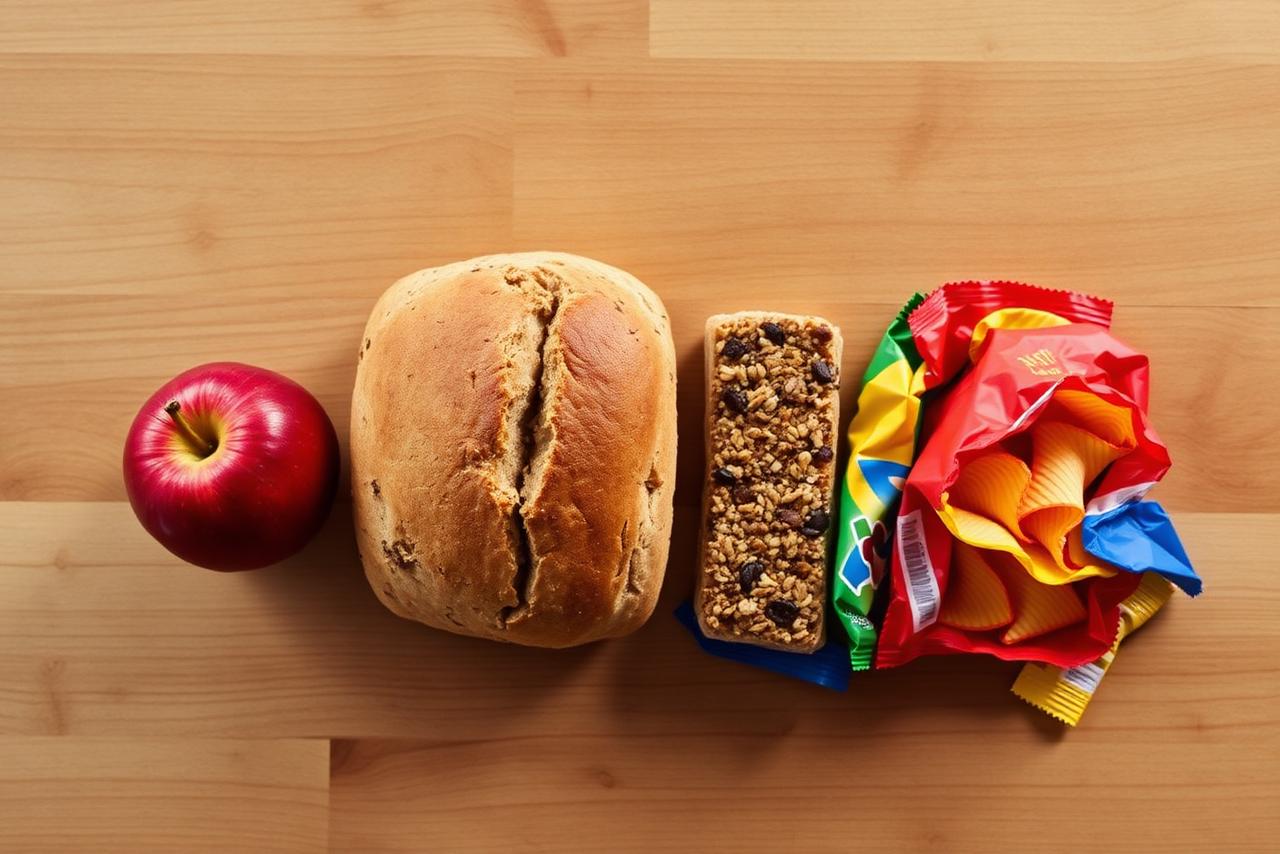
The NOVA food classification system
The framework public-health researchers use to describe how much industrial processing a food has been through — and why the answer matters more than the calorie count.
9 min read
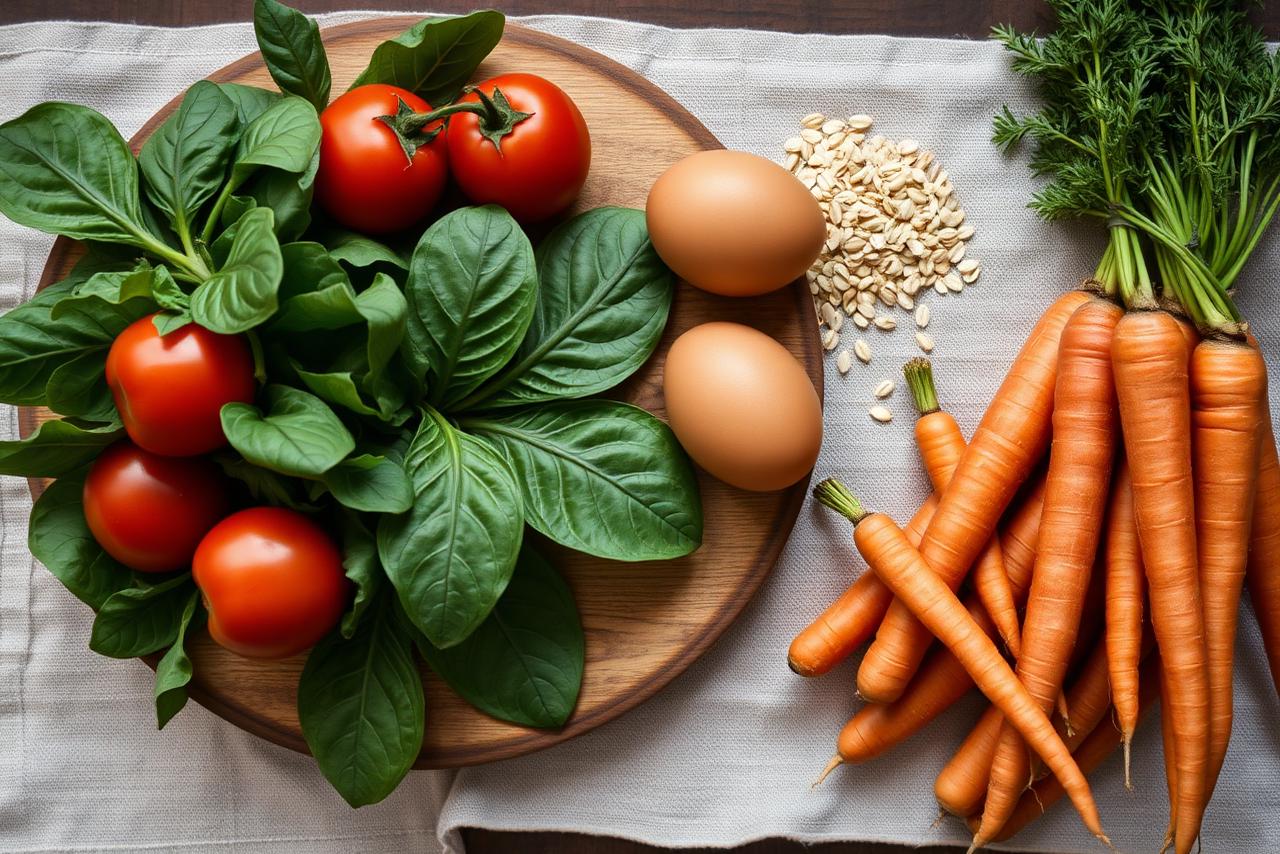
NOVA Group 1 — unprocessed and minimally processed foods
Whole and near-whole foods: fruit, vegetables, plain grains, milk, eggs, unseasoned meat and fish. What Group 1 is, what still counts, and where the boundary sits.
8 min read
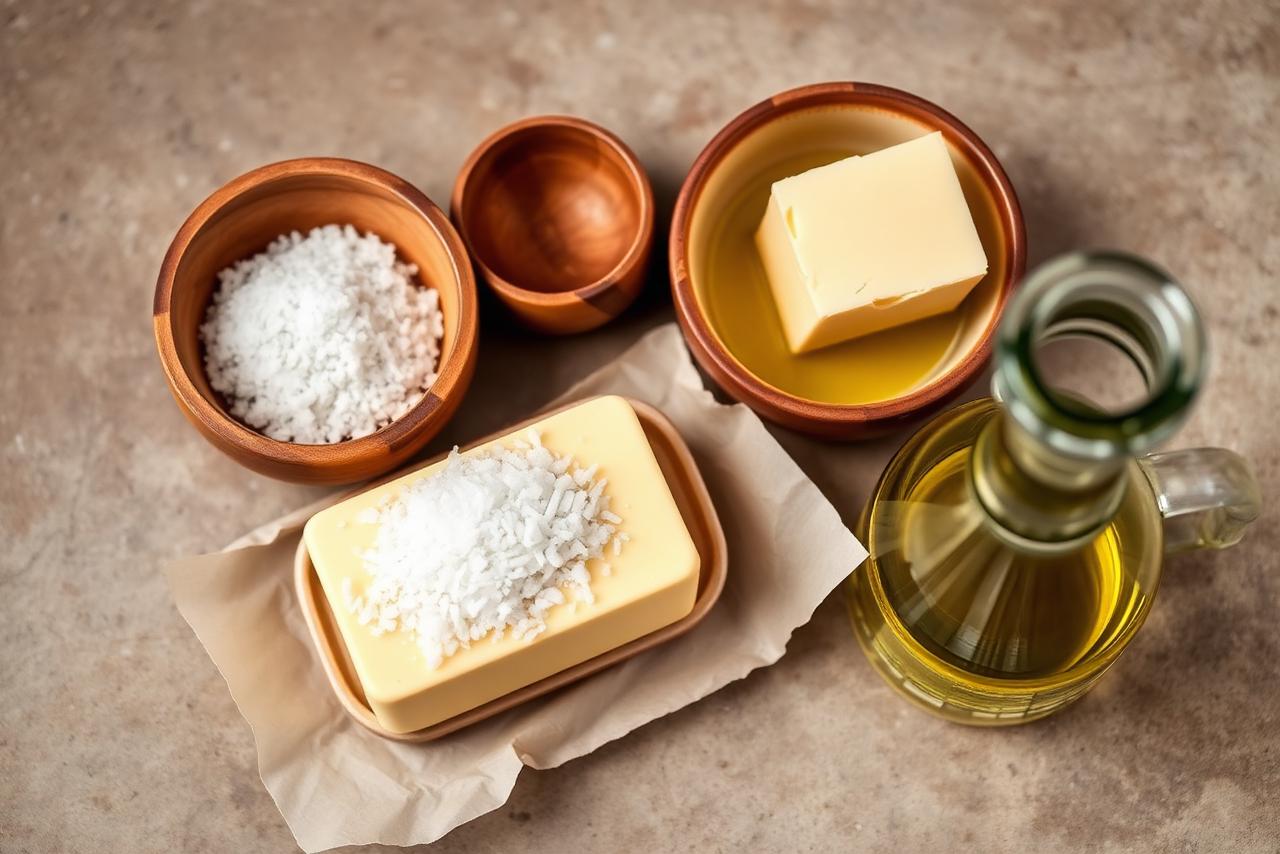
NOVA Group 2 — processed culinary ingredients
Salt, sugar, oil, butter, vinegar, honey — the pantry ingredients extracted from Group 1 foods and used to cook them. What Group 2 is, what belongs, and how NakedCalorie treats it.
7 min read
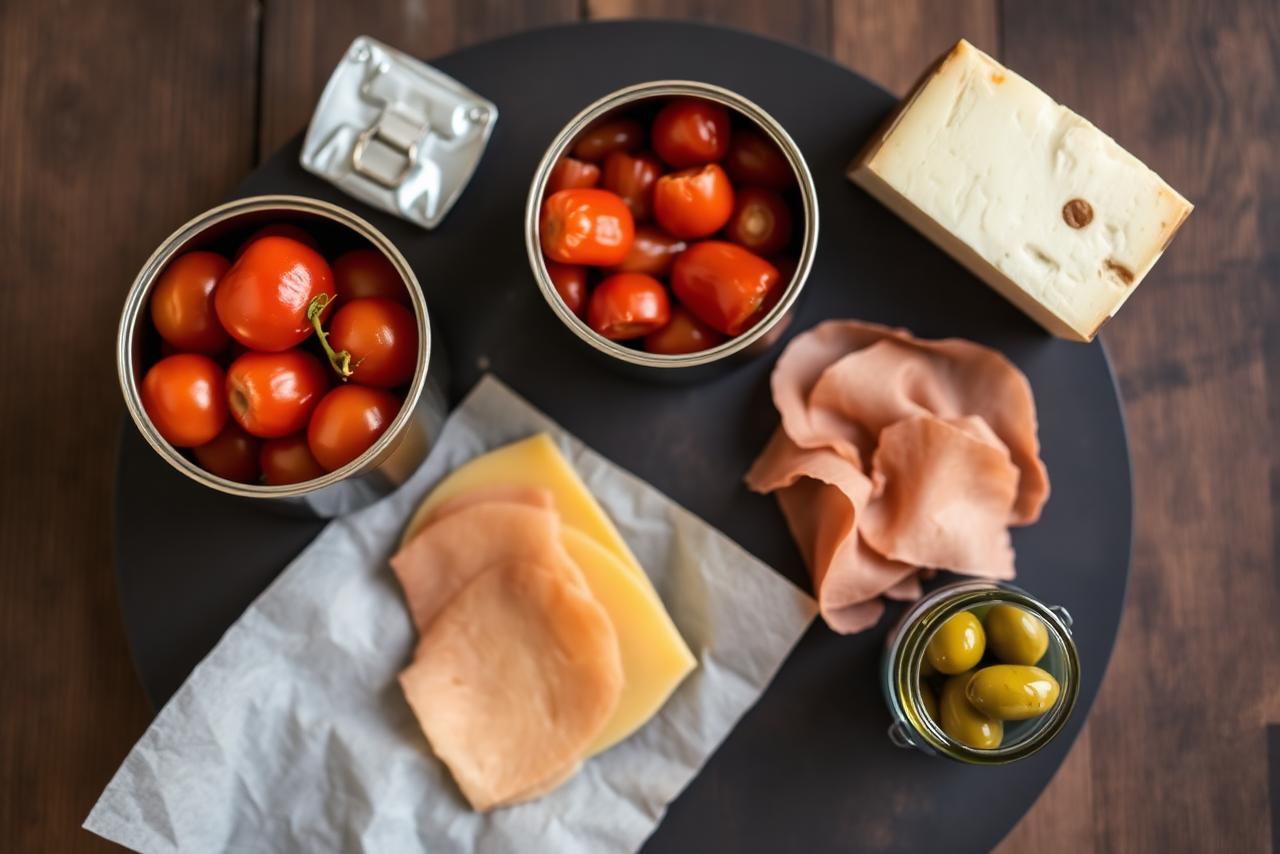
NOVA Group 3 — processed foods
Canned beans, artisan bread, natural cheese, tinned fish, cured meats. What Group 3 is, how it differs from Group 4, and how NakedCalorie treats it.
7 min read
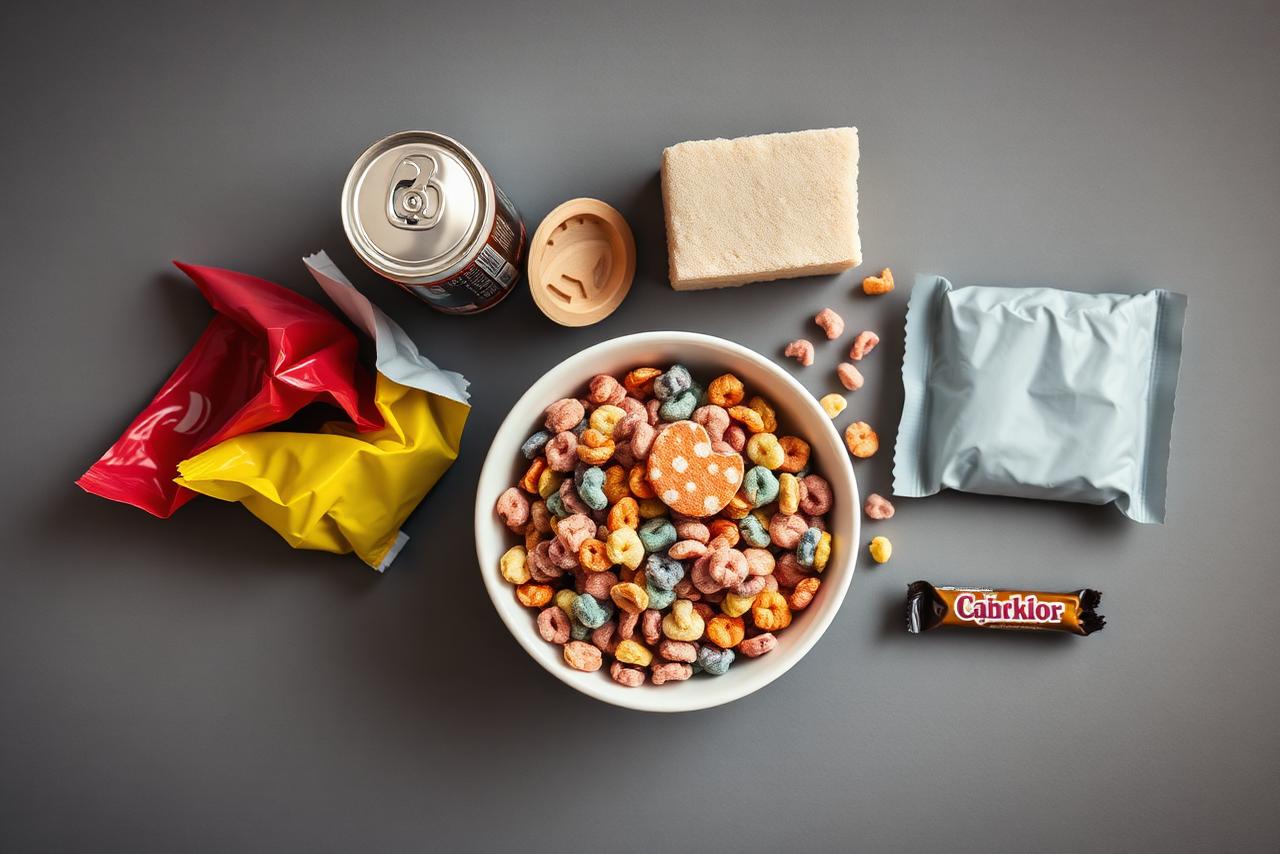
NOVA Group 4 — ultra-processed foods
Soft drinks, packaged snacks, most breakfast cereals, instant meals. What defines Group 4, the evidence stack, and how to spot it on a label.
11 min read
How to spot ultra-processed food at a glance
A ten-second field test for ultra-processed foods, using the five decision-rule markers from Monteiro's NOVA framework.
6 min read
NOVA vs Nutri-Score — what each one measures
The two most-cited European food-classification systems, side by side — where they agree, where they disagree, and why NakedCalorie surfaces NOVA.
7 min read
Criticisms of the NOVA framework
The honest counterweight. Where NOVA has been challenged in the peer-reviewed literature and what those critiques change.
7 min read
Frequently asked questions
- Is NOVA a nutrition label?
- No. NOVA describes how much industrial processing a food has been through — not calories, macros, or micronutrients. A food can be low-calorie and still be Group 4 ultra-processed (a diet cola, an aspartame yoghurt), and a food can be Group 1 and still be calorie-dense (olive oil, nuts, dried fruit).
- Does 'ultra-processed' mean unhealthy?
- Not automatically for any single item. NOVA is a pattern signal. Observational cohorts covering more than 10 million person-years link diets high in Group 4 foods with higher rates of cardiovascular disease, type 2 diabetes, depression, and all-cause mortality — independent of calories, sugar, salt, and fat — but a Group 4 protein bar eaten once is not the same problem as a diet built around Group 4 foods.
- Who created NOVA and when?
- A team led by Prof. Carlos Monteiro at the Center for Epidemiological Studies in Health and Nutrition, University of São Paulo. The framework was first published in 2009, revised into its current four-group form in 2016, and formally adopted in the second edition of the Brazilian Dietary Guidelines in 2014. It is used in FAO and Pan American Health Organization reports and cited in the dietary guidelines of Brazil, France, Uruguay, Ecuador, Peru, and Israel.
- How does NakedCalorie assign a NOVA group to a product?
- The scanner reads the ingredient list, tokenises every ingredient against our knowledge base, and applies the NOVA decision rules published by Monteiro et al. (2019). Presence of any cosmetic additive — flavourings, colours, emulsifiers, non-sugar sweeteners, thickeners — moves a product into Group 4 regardless of the macro panel. See the What's Inside page for the full weighting.
- How is NOVA different from Nutri-Score?
- Nutri-Score is a front-of-pack nutrient rating (A to E) based on energy density, saturated fat, sugar, sodium, fibre, protein, and fruit/veg content. NOVA is a processing rating (Group 1 to 4) based on the ingredient list. A Nutri-Score B ultra-processed breakfast cereal is common — the two systems answer different questions and NakedCalorie combines both signals.
- Are there foods NOVA can't classify?
- Edge cases exist. Fermented foods like tempeh, natural cheese, and traditionally brewed vinegar sit between Group 1 and Group 3. Home-baked bread with only flour, water, salt, and yeast is Group 3; the same bread from an industrial bakery with dough conditioners, emulsifiers, and preservatives is Group 4. When the label is ambiguous NakedCalorie surfaces the uncertainty rather than force a group.
- What are the biggest criticisms of NOVA?
- That it lumps very different foods into Group 4 (a fortified plant-milk beside a candy bar), that 'ultra-processed' is defined by ingredient markers rather than nutrient outcomes, and that most evidence linking Group 4 to disease is observational. Monteiro's group responded with the 2019 Hall RCT at the NIH, which showed adults ate 500 kcal/day more on an ultra-processed menu than on a matched Group 1–3 menu — the first controlled-feeding evidence of a processing-specific effect.
- Is NOVA the same as the E-number system?
- No. E-numbers are the EU's regulatory index of approved food additives (E100–E1999). NOVA is a classification of whole foods. The two intersect — a product with several E-numbers is almost always NOVA Group 4 — but a food with no additives can still be Group 4 (reconstituted meat, protein-isolate bars, extruded snacks made only from corn flour, oil, and salt).
Continue in the knowledge base