
NOVA Group 3 — processed foods
NOVA Group 3 covers foods made by adding Group 2 ingredients — salt, sugar, oil — to Group 1 foods, using processes such as cooking, non-alcoholic fermentation, canning, or bottling. The product is still recognisable as a modified version of the original food, with a short ingredient list of items a home cook would recognise.
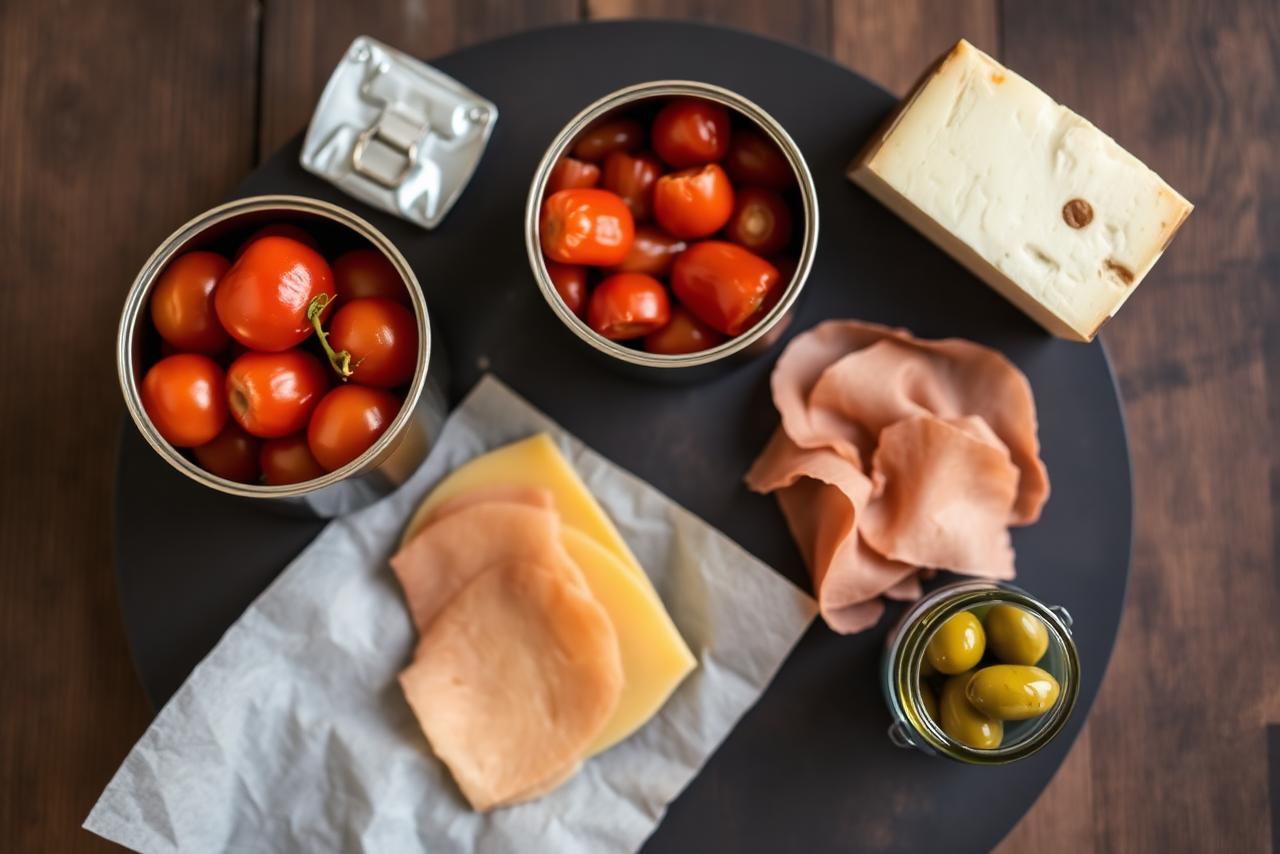
What is NOVA Group 3?
NOVA Group 3 covers products made by adding Group 2 ingredients — salt, sugar, oil — to Group 1 foods, using processes such as cooking, non-alcoholic fermentation, canning, or bottling. The end product is still recognisable as a modified version of the original food.
The ingredient list of a Group 3 product is short — typically two to five items — and every item is recognisable to a home cook. Group 3 sits between the pantry-and-cook paradigm of Groups 1 and 2 and the industrial-formulation paradigm of Group 4. The Brazilian Dietary Guidelines (2014, revised 2024) advise consuming Group 3 foods "in small amounts, combined with fresh or minimally processed foods."
What foods count as Group 3?
- Canned and bottled vegetables and legumes — preserved in water, brine, or oil with only salt added.
- Peeled or unpeeled tomatoes in tin or jar — tomatoes, sometimes salt, sometimes citric acid for pH.
- Canned fish — sardines, tuna, mackerel, anchovies preserved in water, oil, or brine.
- Salted, cured, and smoked meats — dry-cured ham, prosciutto, whole-muscle bacon, biltong; salt, sometimes nitrite, sometimes sugar.
- Freshly made breads — from flour, water, salt, and yeast; sometimes with added sugar or oil.
- Artisan cheeses — made from milk, salt, rennet, and cultures.
- Fruits in syrup — canned peaches, pineapple, pears with sugar syrup.
- Pickled vegetables — cucumbers, cabbage, olives in salt, vinegar, and water.
- Salted or roasted nuts and seeds — plain almonds or cashews with salt and oil.
What processes are permitted at Group 3?
Group 3 processing methods are those a home cook or artisan producer would use: cooking, non-alcoholic fermentation, canning, bottling, salting, curing, smoking, drying, and pickling. They are extensions of Group 1 methods with Group 2 ingredients added.
The methods change the food more than Group 1 processing does. Canning heats the food to sterilisation temperatures and often shifts its texture. Fermentation transforms sugars into organic acids and gives cheese its aged flavour. Curing draws water out of meat and inhibits microbial growth. None of these methods requires cosmetic additives — colour, flavour, sweetener, emulsifier, thickener — and none produces a product that would be unrecognisable to someone from a pre-industrial food culture.
What is the line between Group 3 and Group 4?
The line is the ingredient list. A Group 3 product uses only Group 1 foods plus Group 2 ingredients, sometimes plus traditional preservatives (salt, vinegar, sugar, smoke, nitrite). Adding any cosmetic additive — emulsifier, artificial colour, non-sugar sweetener, artificial flavour, thickener, humectant — moves the product to Group 4.
Worked examples:
| Product | Group 3 version | Group 4 version |
|---|---|---|
| Bread | Flour, water, salt, yeast | + mono- and diglycerides, DATEM, calcium propionate, enzymes |
| Yoghurt | Milk, live cultures, sugar | + pectin, gelatin, flavour, colour, aspartame |
| Ice cream | Milk, cream, sugar, egg yolk, vanilla bean | + mono- and diglycerides, guar gum, carrageenan, artificial vanillin, colour |
| Ham | Pork, salt, sugar, sodium nitrite | + phosphates, carrageenan, sodium erythorbate, flavours, dextrose, hydrolysed protein |
| Peanut butter | Peanuts, salt | + hydrogenated vegetable oil, sugar, mono- and diglycerides |
Is Group 3 healthy?
The Group 3 designation is not a health verdict. Group 3 foods can be part of a healthy diet in reasonable amounts, and some — like canned tomatoes, tinned fish, natural cheese, and traditional cured meats — carry no meaningful evidence of harm at the intakes typical of a Mediterranean-style diet.
The exception is processed meat, which the IARC classified as Group 1 carcinogenic to humans in 2015 based on colorectal-cancer evidence. That classification applies across both traditional (Group 3) and industrial (Group 4) processed meats and reflects the shared use of nitrite and the high-heat cooking that follows. The World Cancer Research Fund recommends limiting processed meat to "very little, if any."
How does NakedCalorie score Group 3 foods?
Group 3 items score below Group 1 on the processing axis but above Group 4. They carry no additive-load penalty unless the ingredient list includes a Tier 2 or Tier 3 additive from the ingredient encyclopedia — in which case the product would actually be classified Group 4.
A can of chickpeas in water and salt scores near the top of the processing axis. A can of chickpeas in a spiced tomato sauce with sugar, thickeners, and preservatives scores lower — and gets classified Group 4. NakedCalorie shows both the group and the individual additives on every scan, so the user sees why a product landed where it landed.
For the surrounding groups, see the NOVA overview, Group 1 — unprocessed and minimally processed, and Group 4 — ultra-processed foods.
Frequently asked questions
- Is bread Group 3 or Group 4?
- It depends on the ingredient list. A bread made from flour, water, salt, and yeast is Group 3. A bread that also contains mono- and diglycerides, DATEM, dough conditioners, calcium propionate, or added enzymes is Group 4. Two loaves with near-identical nutrition panels can sit in different groups because the classification is driven by ingredients, not nutrients.
- Is cheese Group 3?
- Traditional cheeses made from milk, salt, rennet, and cultures are Group 3. Processed cheese slices, cheese spreads, and cheese-flavoured snacks are Group 4 — they typically contain emulsifying salts (sodium citrate, sodium phosphate), stabilisers, colours, and sometimes non-dairy fats.
- Are canned vegetables Group 3?
- Yes. Vegetables canned in water, brine, or oil with only salt added are Group 3. Vegetables in a sauce with added sugar, thickeners, or flavourings move to Group 4.
- Where does cured meat sit?
- Traditionally cured meats (dry-cured ham, whole-muscle bacon with salt and nitrite) are Group 3. Reconstituted or mechanically separated meats (nuggets, lunch meats, hot dogs) with binders, fillers, extenders, phosphates, and flavour enhancers are Group 4. The IARC classified processed meat as Group 1 carcinogenic to humans in 2015 across both Group 3 and Group 4 subtypes.
Written by NakedCalorie editorial team.
Medically reviewed by Pending registered dietitian review — last reviewed July 8, 2026.
Educational information only, based on peer-reviewed literature and regulatory sources. Not medical advice.
Related in the knowledge base