
Sodium benzoate
Sodium benzoate is the sodium salt of benzoic acid, used at up to 0.1% as a preservative against yeasts, moulds, and bacteria in acidic foods and drinks including sodas, salad dressings, and pickles. It carries E-number E211, is FDA GRAS, and has been under regulatory scrutiny since 2005 for its potential to form benzene in combination with vitamin C.
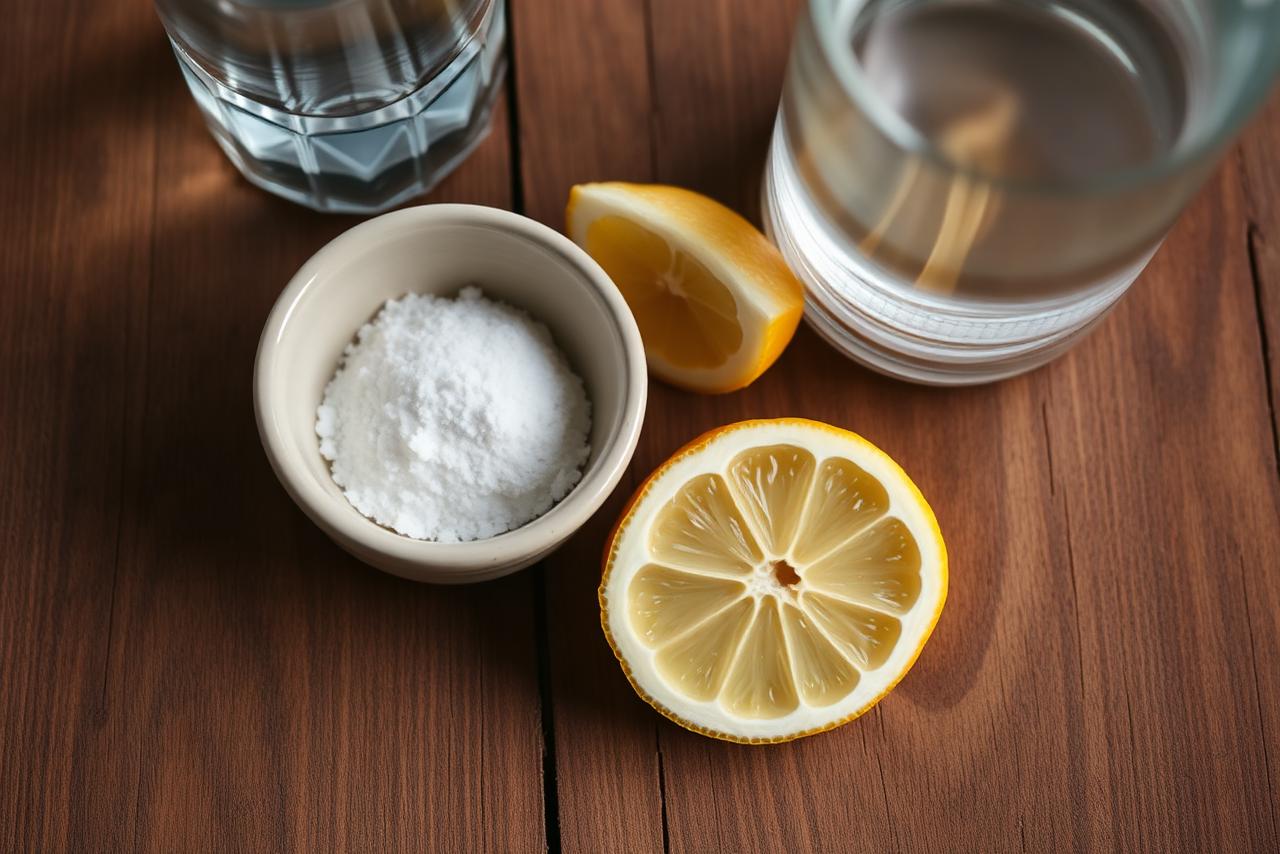
What is sodium benzoate?
Sodium benzoate is the sodium salt of benzoic acid (C6H5COONa), a white crystalline powder used as an antimicrobial preservative against yeasts, moulds, and some bacteria in acidic foods and drinks. It is most effective at pH below 4.5, where it exists predominantly as the undissociated benzoic acid form that can cross microbial cell membranes.
It carries E-number E211 in the EU and is FDA GRAS under 21 CFR 184.1733, with a maximum permitted use of 0.1% by weight. The JECFA ADI is 5 mg/kg body weight per day, applied to the sum of benzoic acid, sodium benzoate, and related benzoates.
Where is sodium benzoate used?
- Carbonated soft drinks — most conventional colas, lemon-limes, and fruit sodas.
- Salad dressings — especially mayonnaise-based and vinaigrette dressings.
- Pickles, relishes, and olives — often alongside potassium sorbate.
- Jams and jellies — as a secondary preservative to the high sugar content.
- Fruit juices and concentrates — chilled and shelf-stable formats.
- Sauces and condiments — barbecue, teriyaki, hot sauces.
- Cosmetics, pharmaceuticals, and cough syrups — the non-food half of global demand.
The benzene formation issue
Benzene is a Group 1 carcinogen (IARC) — known to cause leukaemia in humans at high occupational exposures. In 2005–2006 the FDA and Environmental Working Group identified that beverages combining sodium benzoate with ascorbic acid (vitamin C) or erythorbic acid could form benzene at low ppb levels, especially when exposed to heat or light. The reaction mechanism involves hydroxyl radicals generated by trace transition metals (iron, copper) attacking the benzoate ring.
The FDA tested market samples in 2005–2007 and found that most beverages contained less than 5 ppb of benzene (the US EPA drinking-water limit is 5 ppb; the EU limit is 1 ppb; the WHO guideline is 10 ppb). A handful of products exceeded 10 ppb and were reformulated. The Environmental Working Group and Beverage Institute of the American Beverage Association published parallel reports; industry moved to reformulate most affected drinks by 2010.
The reformulation options include lowering the benzoate concentration, replacing ascorbic acid with a chelating agent to prevent radical formation, or switching to potassium sorbate as the preservative. Current market samples show benzene levels below 1 μg/L in almost all cases, well within all regulatory limits. NakedCalorie surfaces the benzene-formation risk on products that combine sodium benzoate and added ascorbic acid but does not treat their presence as a violation.
Is sodium benzoate linked to hyperactivity in children?
The Southampton study (McCann et al., The Lancet 2007) tested sodium benzoate as part of a mixture that also contained six synthetic food colours, so its individual contribution cannot be isolated. The EU responded by requiring the mandatory 'activity and attention' warning label only on the six colours, not on sodium benzoate.
Subsequent studies have not tested sodium benzoate as an isolated exposure at typical dietary intakes. Higher doses (~1,500 mg/day, roughly ten times a typical intake) have been used in adjunct treatment trials for schizophrenia and depression, based on its inhibition of D-amino acid oxidase — a use that is off-label and unrelated to dietary safety.
Is sodium benzoate a NOVA Group 4 marker?
Yes. Any cosmetic preservative used to extend the shelf life of an industrial formulation triggers Group 4 classification under Monteiro 2019. A soda preserved with sodium benzoate is Group 4; a home-made lemonade with none is Group 1 or 2.
How does NakedCalorie flag sodium benzoate?
Sodium benzoate is a Tier 1 processing signal on its own — surfaced on every scan, counted toward additive load, triggering Group 4 — and escalates to Tier 2 with an explicit benzene-formation warning when combined with ascorbic acid or erythorbic acid on the same label.
The score does not treat sodium benzoate as unsafe at typical intakes; it treats the specific combination that produces benzene as a preventable formulation choice that can be redesigned. For related additives see Red 40, which was tested in the same 2007 Southampton mixture, and aspartame. For the preservatives context see the preservatives section on the additives hub.
Frequently asked questions
- Can sodium benzoate form benzene in soft drinks?
- Yes, under specific conditions. When sodium benzoate is combined with ascorbic acid (vitamin C) in an acidic beverage and exposed to heat or light, small amounts of benzene — a known carcinogen — can form. The FDA and EFSA identified this in 2005–2006 and industry reformulated most affected products. Levels in current market samples are typically below 1 μg/L (the drinking-water limit is 10 μg/L in the EU).
- Is sodium benzoate the same as benzoic acid?
- Sodium benzoate is the sodium salt of benzoic acid. Both are approved food preservatives with the same functional effect. Sodium benzoate is more soluble in water and is preferred in beverages; benzoic acid (E210) is preferred in fats and oils. The two are metabolically interconverted in the body.
- Does sodium benzoate occur naturally in foods?
- Yes. Benzoic acid and its salts occur naturally at small levels in cranberries, prunes, apples, cinnamon, cloves, and some cheeses. This natural background is the reason the EFSA ADI includes both added and natural sources, and why some 'preservative-free' cranberry products can still test positive for benzoates.
- Was sodium benzoate part of the Southampton behavioural study?
- Yes. The 2007 McCann et al. paper in The Lancet tested a mixture of six synthetic food colours plus sodium benzoate against a placebo and reported a small increase in hyperactivity. Sodium benzoate as an isolated variable was not tested; the effect was attributed to the mixture. Sodium benzoate does not carry the EU 'activity and attention' warning label — only the six colours do.
Written by NakedCalorie editorial team.
Medically reviewed by Pending registered dietitian review — last reviewed July 8, 2026.
Educational information only, based on peer-reviewed literature and regulatory sources. Not medical advice.
Related in the knowledge base