
TBHQ (tert-butylhydroquinone)
TBHQ (E319) is a synthetic phenolic antioxidant used to preserve fats and oils in packaged foods, especially fried snacks, instant noodles, and frozen ready meals. It is permitted by the FDA, EFSA, and JECFA at limits of 100–200 ppm of the fat content. The EFSA acceptable daily intake is 0.7 mg/kg body weight. TBHQ is a NOVA Group 4 cosmetic-additive marker.
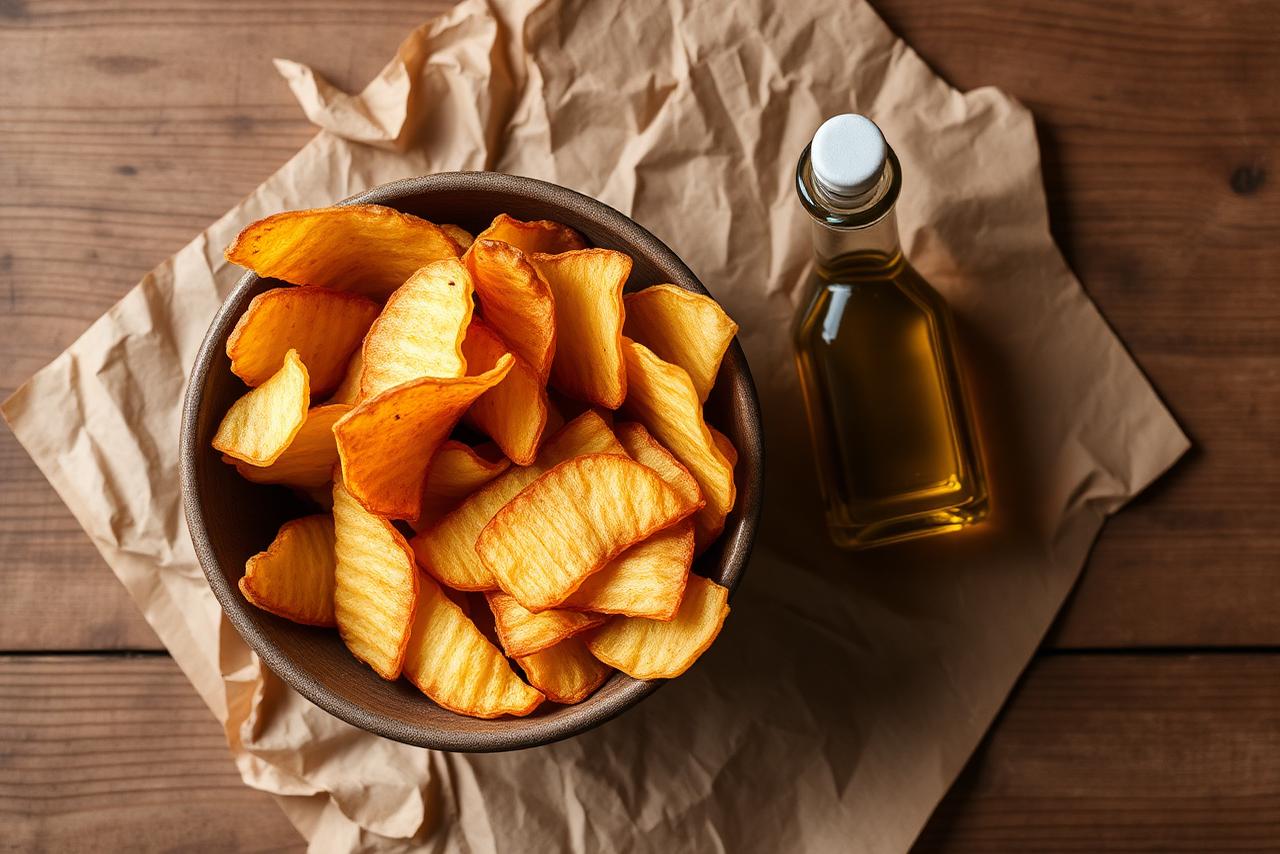
What is TBHQ?
TBHQ (tert-butylhydroquinone) is a synthetic phenolic antioxidant added to fats and oils to slow rancidity. It is more heat-stable than BHA and BHT, which is why it dominates in high-temperature fried foods and industrial frying oils. It carries E-number E319 and is permitted at up to 100–200 ppm of the fat content depending on the food category.
Regulatory position
- FDA: permitted under 21 CFR 172.185, limit 200 ppm of oil or fat content.
- EFSA: 2016 re-evaluation; ADI maintained at 0.7 mg/kg body weight per day.
- JECFA: aligned with EFSA.
- IARC: not classified.
Where you find it
- Instant noodles and cup ramen — near-ubiquitous.
- Commercial fried snacks — chips, crackers, tortilla products.
- Frozen ready meals with fried components.
- Deep-frying oils used in food service.
- Some breakfast biscuits and pastries.
- Non-food: cosmetics, personal-care products, industrial lubricants.
Evidence base
The 2016 EFSA re-evaluation reviewed all available toxicology, including a 2011 mouse immunotoxicity study that generated some media concern. EFSA concluded the data did not support changing the ADI. There is no human epidemiology directly linking TBHQ intake to disease outcomes at typical exposure levels; the additive is present in Group 4 products broadly, so any effect is confounded with the wider ultra-processed pattern.
How NakedCalorie flags TBHQ
TBHQ is a Tier 2 additive marker and triggers NOVA Group 4 classification. It is called out on scans because it is a specific indicator of industrial frying — a useful signal for shoppers who are trying to reduce ultra-processed fried products. See BHA and BHT for the related synthetic antioxidants and how to spot ultra-processed food for the wider ingredient-list decision rule.
Frequently asked questions
- Is TBHQ safe?
- Regulators worldwide currently classify TBHQ as safe at intakes below the ADI (EFSA: 0.7 mg/kg body weight per day). The 2016 EFSA re-evaluation reviewed genotoxicity data and concluded no concern at permitted use levels. Some rodent studies at doses far above the ADI show adverse effects; these are not considered directly relevant to human dietary exposure.
- What's the difference between TBHQ, BHA, and BHT?
- All three are synthetic phenolic antioxidants used in fats. TBHQ is more heat-stable, which is why it dominates in fried foods and instant noodles where the oil is exposed to high temperatures. BHA and BHT are more common in cereals and low-temperature applications. Chemically they are distinct molecules with distinct regulatory histories.
- Which brands use TBHQ?
- TBHQ is very common in commercial instant noodles (Maruchan, Nissin Cup Noodles, Indomie), fried snack products, and some fast-food fryer oils. Individual product formulations change; check the ingredient list rather than the brand.
Written by NakedCalorie editorial team.
Medically reviewed by Pending registered dietitian review — last reviewed July 15, 2026.
Educational information only, based on peer-reviewed literature and regulatory sources. Not medical advice.
Related in the knowledge base
- AdditivesBHA and BHT (butylated hydroxyanisole and toluene)
- AdditivesSodium benzoate
- AdditivesPotassium sorbate