
Sulfites (sulphur dioxide and related compounds)
Sulfites are a class of preservatives — sulphur dioxide (E220), sodium sulfite (E221), sodium metabisulfite (E223), potassium metabisulfite (E224) and related compounds — used to inhibit browning, oxidation, and microbial growth in dried fruits, wine, cider, dried potato, and processed shellfish. Sulfites can trigger asthma attacks in a small proportion of asthmatic people, which is why the FDA and EFSA require them to be declared on labels down to 10 ppm.
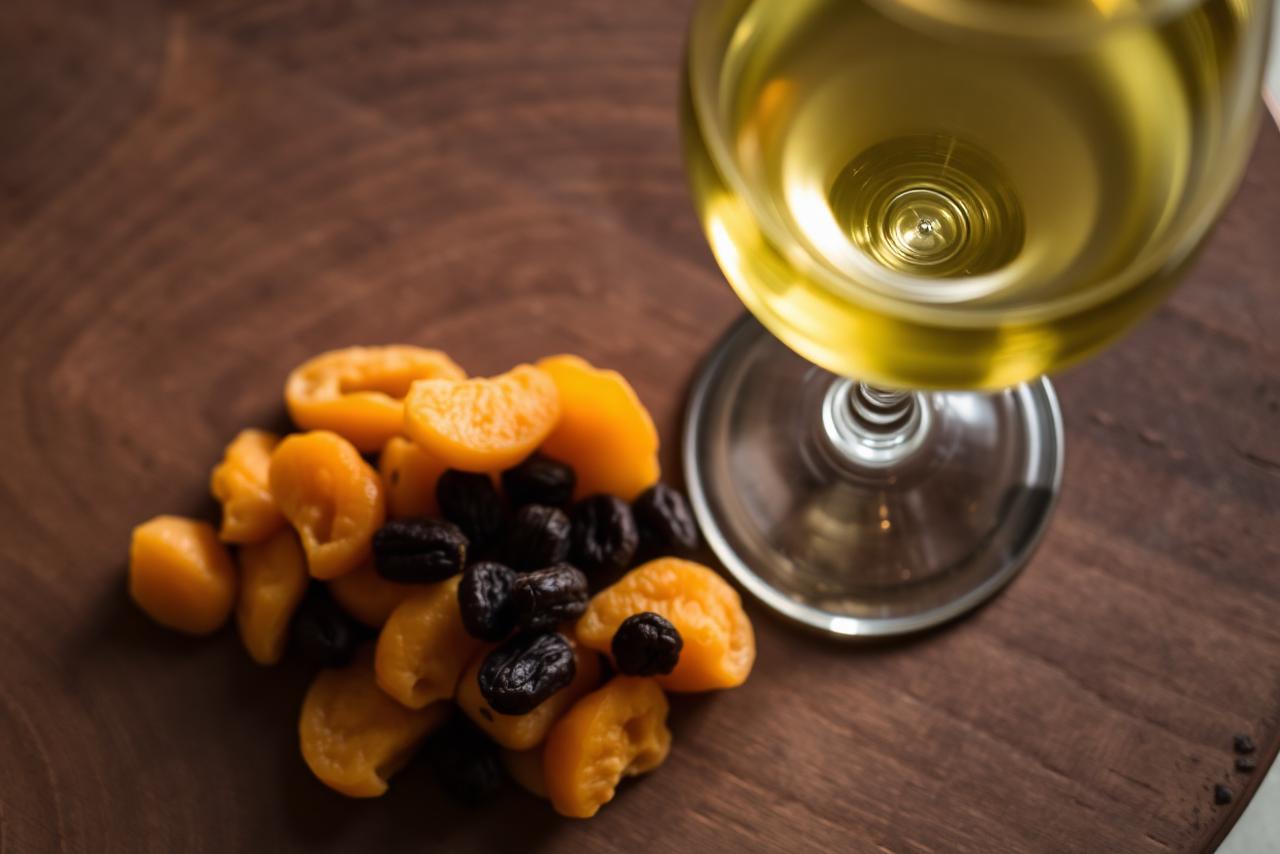
What are sulfites?
Sulfites are a family of preservatives that release sulphur dioxide (SO₂) into food. They inhibit enzymatic browning, non-enzymatic browning, microbial growth, and oxidation. Sulphur dioxide has been used to preserve wine for at least two millennia; sodium metabisulfite is the dominant modern form.
Common members and their E-numbers:
- E220 — sulphur dioxide.
- E221 — sodium sulfite.
- E222 — sodium bisulfite.
- E223 — sodium metabisulfite.
- E224 — potassium metabisulfite.
- E226 — calcium sulfite.
- E227 — calcium bisulfite.
- E228 — potassium bisulfite.
Where you find them
- Wine and cider — near-universal, at 5–200 mg/L.
- Dried fruits — especially apricots, apples, and pineapple (which stay bright colour instead of browning).
- Dried potato products — instant mash, hash browns.
- Processed shellfish (some jurisdictions restrict).
- Some fruit juices and concentrates.
- Some baked goods and pickled products.
Health considerations
The primary regulated concern is sulfite sensitivity in asthmatic people. The FDA banned sulfite use on fresh produce sold to consumers in 1986 after several deaths from anaphylactic reactions at salad bars. Non-asthmatic dietary sulfite sensitivity is uncommon and typically causes mild flushing, hives, or gastrointestinal symptoms rather than anaphylaxis.
The EFSA 2016 re-evaluation set an ADI of 0.7 mg/kg body weight per day as SO₂. A single 175 mL glass of wine can supply 20–50 mg, which is 0.3–0.7 mg/kg for a 70 kg adult — reaching or exceeding the ADI in a single glass for the higher-sulfite wines. This is one of the few common additives where typical consumption can approach the ADI.
How NakedCalorie flags sulfites
Sulfites are a Tier 2 additive with an inline allergen note. Their presence triggers NOVA Group 4 classification. For related preservatives see potassium sorbate and sodium benzoate. Because sulfites can approach the ADI at everyday intake, they are among the additives NakedCalorie prioritises for user visibility.
Frequently asked questions
- Do sulfites cause headaches or hangovers from red wine?
- The evidence for sulfite-induced headaches is weak and controlled trials do not consistently reproduce the effect. Histamine, tyramine, and alcohol itself are more plausible drivers. White wine typically contains more sulfites than red wine, which cuts against the popular hypothesis.
- Why the mandatory warning label?
- Roughly 3–10% of asthmatic people have documented sulfite sensitivity, which can trigger bronchospasm and, rarely, anaphylaxis. That is why both FDA (21 CFR 101.100(a)(4)) and EU Regulation 1169/2011 require declaration at ≥ 10 mg/kg or 10 mg/L. Non-asthmatic sensitivity is rare.
- Are 'sulfite-free' wines actually sulfite-free?
- No wine is truly sulfite-free — fermentation itself produces small amounts of sulphur dioxide. 'No added sulfites' means the winemaker did not add any beyond what fermentation produces; residual sulfite is still measurable, usually 5–10 mg/L compared with 50–200 mg/L in conventional wine.
Written by NakedCalorie editorial team.
Medically reviewed by Pending registered dietitian review — last reviewed July 15, 2026.
Educational information only, based on peer-reviewed literature and regulatory sources. Not medical advice.
Related in the knowledge base
- AdditivesPotassium sorbate
- AdditivesSodium benzoate
- AdditivesBHA and BHT (butylated hydroxyanisole and toluene)