
MSG (monosodium glutamate)
Monosodium glutamate (E621) is the sodium salt of glutamic acid, a naturally-occurring amino acid found in tomatoes, aged cheese, mushrooms, and seaweed. It provides the umami taste, is permitted by every major regulator without a numerical ADI (JECFA: 'not specified'), and controlled trials have not reproduced the popular 'Chinese restaurant syndrome' symptoms in blinded conditions. MSG is a NOVA Group 4 cosmetic-additive marker.
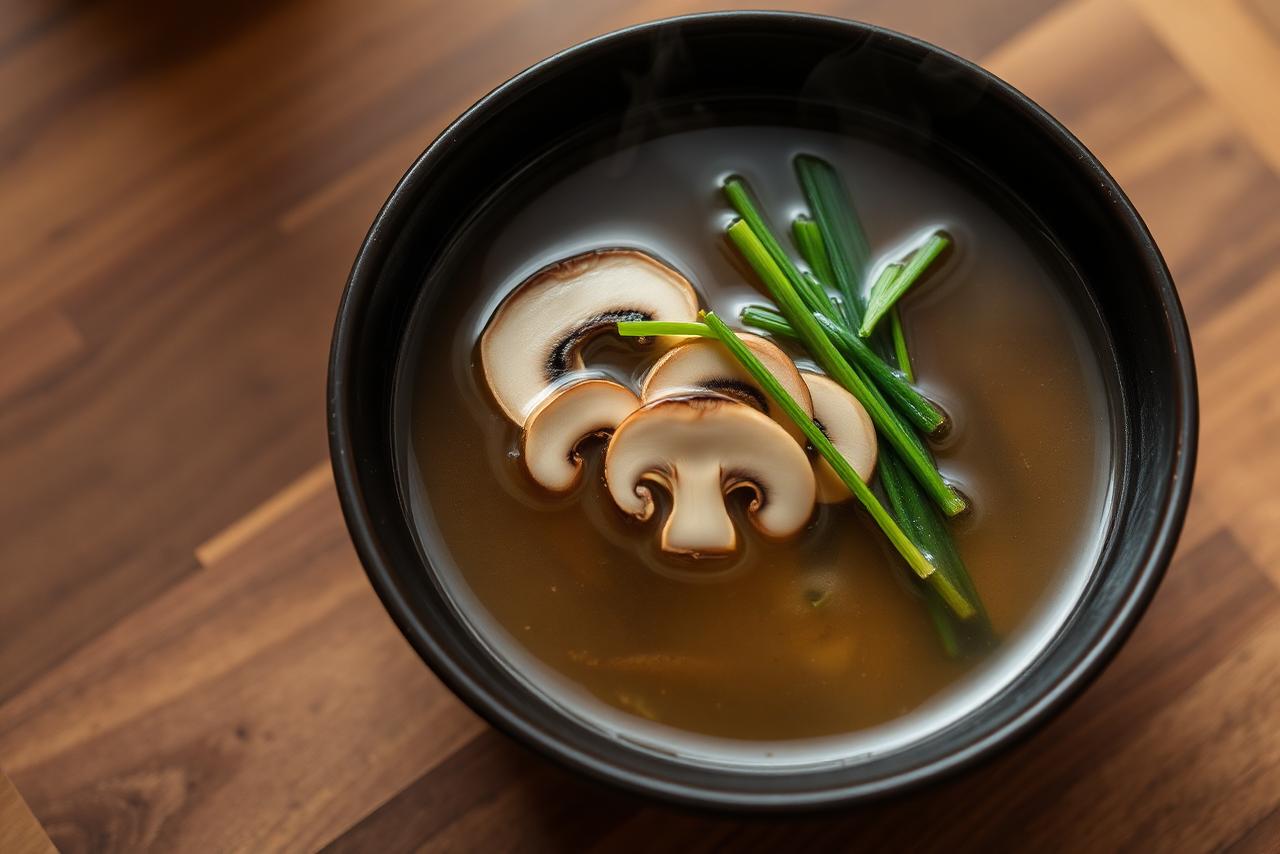
What is MSG?
Monosodium glutamate is the sodium salt of glutamic acid, the amino acid that gives ripe tomatoes, aged cheeses, mushrooms, cured meats, and seaweed their savoury 'umami' taste. It was isolated from kombu seaweed by Kikunae Ikeda in 1908 and is now produced by bacterial fermentation of starch, sugar cane, or molasses.
MSG carries E-number E621. Related umami additives include disodium inosinate (E627) and disodium guanylate (E631), often blended with MSG for a stronger flavour boost.
Regulatory position
- FDA: GRAS since 1959; reaffirmed in 1995 after review of the reported symptom complex.
- EFSA: 2017 re-evaluation set a group ADI of 30 mg/kg body weight per day for glutamates, replacing the previous "no numerical limit".
- JECFA: ADI "not specified" — meaning intake at expected levels is not a concern.
- IARC: not classified.
The blinded-trial evidence
The "Chinese restaurant syndrome" symptom complex has been the subject of dozens of double-blind, placebo-controlled challenges since the 1980s. Reviews by Geha et al. (2000, Journal of Allergy and Clinical Immunology) and by Beyreuther et al. (2007) concluded there is no consistent evidence that MSG causes the reported symptoms in a blinded setting, even in individuals who identify as MSG-sensitive.
The 2017 EFSA re-evaluation set a numerical ADI (30 mg/kg/day) not because of new toxicity data but because of high aggregate exposure in some population subgroups combined with older neurotoxicity signals in rodents fed very high doses. Typical dietary exposure sits well below the ADI.
Where you find it
- Savoury snacks — flavoured chips, crackers, corn puffs.
- Instant noodles and ramen seasoning packets.
- Bouillon cubes, gravy mixes, stock powders.
- Ready meals and frozen dinners.
- Some fast-food menu items — Chick-fil-A, KFC, others.
- Soy sauce and other fermented condiments (naturally high in glutamate).
- Cured meats and aged cheeses (naturally high in glutamate).
How NakedCalorie flags MSG
MSG is a Tier 3 additive — the lowest evidence-based concern level — but its presence triggers NOVA Group 4 classification because it is a cosmetic additive under Monteiro 2019. The scan surfaces the flavour-enhancer function and the note that blinded trials have not reproduced the classical symptom complex. See potassium sorbate for another commonly-vilified-but-well-tolerated additive, and how to spot ultra-processed food for the wider ingredient logic.
Frequently asked questions
- Does MSG cause headaches?
- In controlled double-blind trials the answer is no. The 2000 Geha et al. randomised trial and multiple subsequent studies have not reproduced the classic 'Chinese restaurant syndrome' symptoms in a blinded setting. The FDA, EFSA, JECFA, and Health Canada all currently classify MSG as safe. Some individuals report reactions in open-label settings; these are not replicated blinded and are not currently regarded as an MSG-specific effect.
- Why the reputation problem?
- It dates to a 1968 letter in the New England Journal of Medicine describing symptoms after eating at a Chinese restaurant. The letter was speculative, MSG was singled out from many ingredients, and the framing carried heavy cultural bias that historians of medicine have since documented (Mosby 2009). The claim persisted for decades despite negative trial evidence.
- Is glutamate the same as MSG?
- The glutamate ion in your body from MSG is chemically identical to the glutamate you get from tomatoes, Parmesan cheese, mushrooms, breast milk, or your own body's protein turnover. Free glutamate at similar per-serving amounts occurs naturally in aged cheeses, soy sauce, and cured hams.
Written by NakedCalorie editorial team.
Medically reviewed by Pending registered dietitian review — last reviewed July 15, 2026.
Educational information only, based on peer-reviewed literature and regulatory sources. Not medical advice.
Related in the knowledge base
- AdditivesPotassium sorbate
- AdditivesSodium nitrite and nitrate in cured meats
- AdditivesTitanium dioxide (E171)