
Titanium dioxide (E171)
Titanium dioxide (E171) is a white inorganic pigment used to whiten and brighten confectionery, coated chewing gum, icings, and some pharmaceutical coatings. The EU banned E171 as a food additive in 2022 after EFSA concluded a genotoxicity concern could not be ruled out. The FDA continues to permit it in the US at up to 1% by weight.
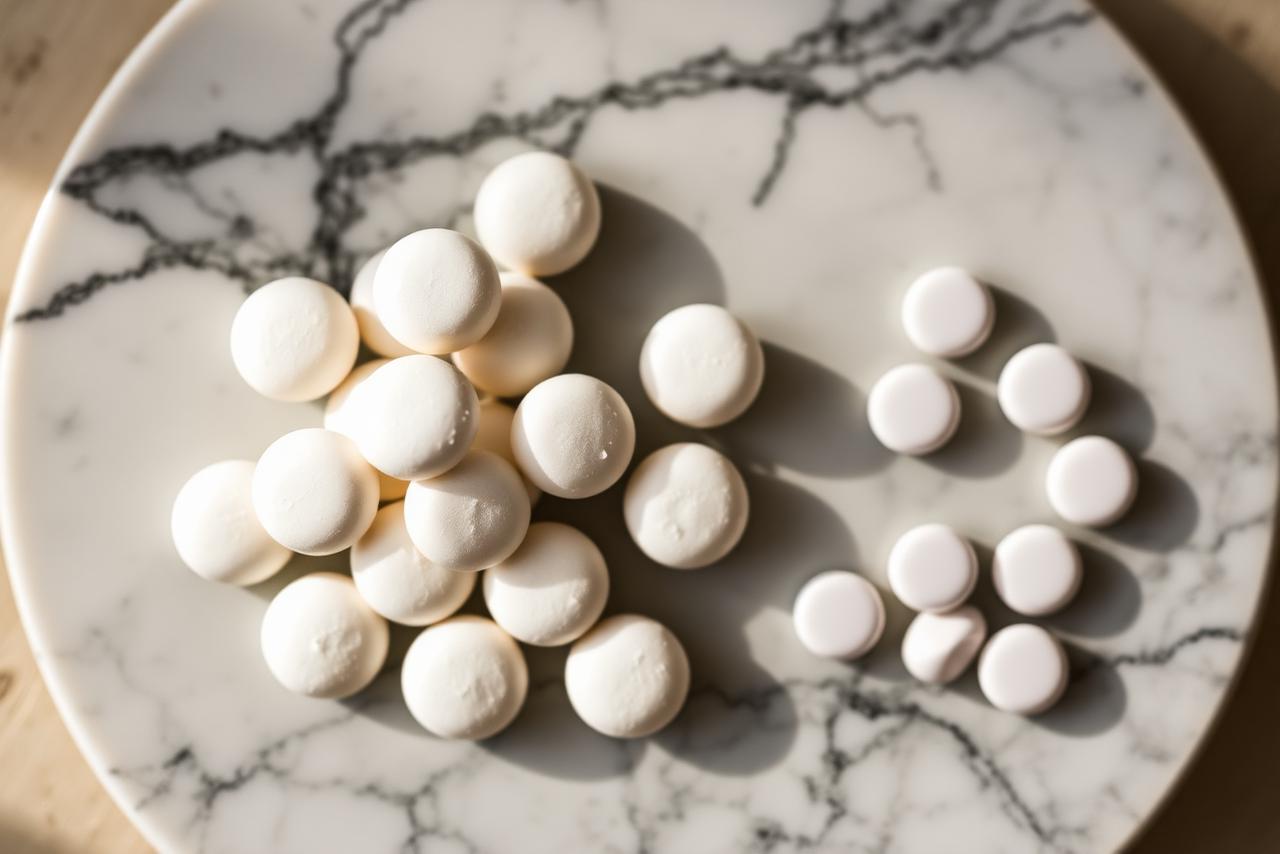
What is titanium dioxide?
Titanium dioxide (TiO₂) is a white inorganic pigment used to whiten, brighten, and increase the opacity of foods, cosmetics, sunscreens, paints, and pharmaceutical coatings. Food-grade titanium dioxide carries E-number E171 in the EU and is listed under 21 CFR 73.575 in the US.
Food-grade E171 is a mix of micrometre-sized particles and a variable fraction of nanoparticles below 100 nm. The nanoparticle content is the focus of the regulatory concern — nanoparticles can cross biological barriers and accumulate in tissues that larger particles do not reach.
The 2022 EU ban
EFSA re-evaluated titanium dioxide in 2021 (Younes et al.). The panel concluded that E171 could no longer be considered safe as a food additive, because a genotoxicity concern could not be ruled out. Since a safe daily intake could not be established, EFSA did not update the ADI — it withdrew the safety opinion entirely.
The European Commission followed with Regulation 2022/63, which removed E171 from the EU list of permitted food additives with effect from 7 August 2022 after a six-month transition. Non-food uses (cosmetics, pharmaceutical excipients) remain permitted subject to separate reviews.
The FDA position
The FDA has permitted titanium dioxide since 1966 at up to 1% by food weight. In 2023 the agency responded to a citizen petition by declining to revoke the authorisation, citing insufficient evidence of harm at typical intake. This puts a rare gap between US and EU additive regulation, mirroring earlier splits on titanium dioxide in cosmetics and other substances such as brominated vegetable oil.
Where you still find it (US and other permitting markets)
- White-coated candies and mints.
- Chewing gum coatings.
- Icings, frostings, and cake decorations.
- Powdered sugar (as an anti-caking agent, occasionally).
- Coffee whitener.
- Some salad dressings and sauces (for opacity).
- Pharmaceutical tablet coatings.
Many multinational food manufacturers have reformulated to remove E171 globally rather than maintain separate EU and US recipes.
How NakedCalorie flags titanium dioxide
Titanium dioxide is a Tier 1 additive (highest surfaced severity) with the EU ban surfaced inline on any product where it appears. Presence triggers NOVA Group 4 classification. See Red 40 and tartrazine for the closely related colorant additives.
Frequently asked questions
- Why did the EU ban titanium dioxide?
- The 2021 EFSA re-evaluation concluded that a genotoxicity concern for titanium dioxide as a food additive could not be ruled out, particularly because the material contains a fraction of nanoparticles that can accumulate in tissues. The European Commission followed the opinion and prohibited E171 as a food additive from August 2022 (Regulation 2022/63).
- Why is the FDA still allowing it?
- The FDA's 2023 response to a citizen petition concluded the available evidence did not support revoking the additive at typical intakes. The two agencies reviewed largely the same data but applied different regulatory standards — EFSA under the precautionary framework, FDA under a burden-of-proof standard closer to 'demonstrated risk'.
- Which foods contain titanium dioxide?
- White-coated candies (Skittles white centres historically, mints, gum), icings and frostings, some sauces and dressings, coffee whitener, and pharmaceutical tablet coatings. Many manufacturers have voluntarily reformulated to remove it in recent years, especially those selling into both EU and US markets.
Written by NakedCalorie editorial team.
Medically reviewed by Pending registered dietitian review — last reviewed July 15, 2026.
Educational information only, based on peer-reviewed literature and regulatory sources. Not medical advice.
Related in the knowledge base