
Saccharin (E954)
Saccharin is the oldest artificial sweetener — discovered in 1879 — and 300–400× sweeter than sucrose. FDA approved; EFSA ADI 5 mg/kg body weight per day. Cleared of its 1970s bladder-cancer warning after mechanistic work showed rodent-specific toxicity. Still widely used in tabletop sweeteners and pharmaceutical excipients.
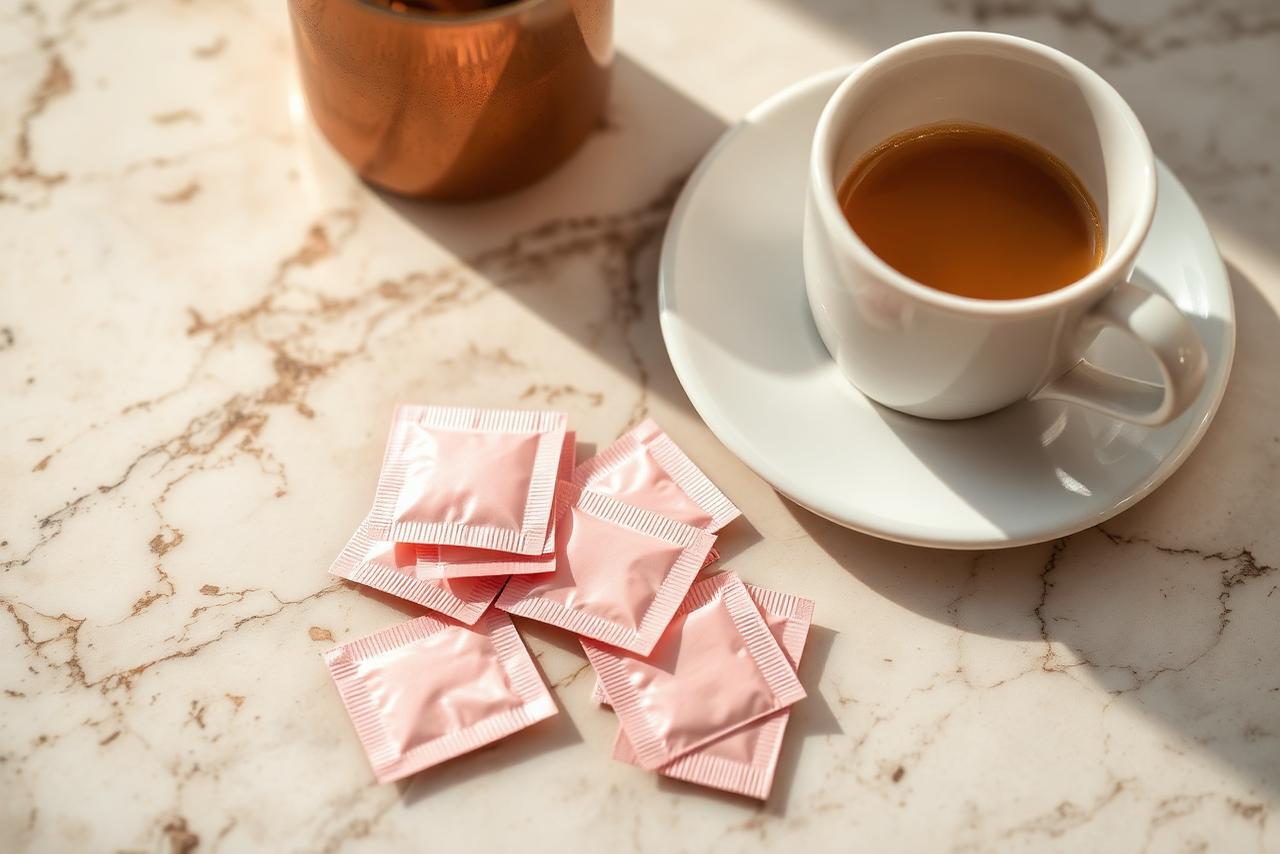
What saccharin is
Saccharin (o-benzosulfimide, E954) is the oldest artificial sweetener, discovered accidentally by Constantin Fahlberg in 1879. It is 300–400× sweeter than sucrose, is not metabolised, and is excreted unchanged in urine within 24 hours. Commercially it appears as the sodium or calcium salt for solubility.
The cancer controversy — and its resolution
In 1977 the FDA proposed a ban after high-dose feeding studies in male rats produced bladder tumours. US Congress imposed a moratorium and required a warning label from 1981. The mechanistic work of Cohen and colleagues in the 1990s showed that the rodent bladder tumours depended on a urinary protein (α2u-globulin) that concentrated saccharin in male-rat urine, formed calcium phosphate crystals, and caused chronic cell damage — a mechanism that does not exist in humans. In 2000 the National Toxicology Program removed saccharin from its Report on Carcinogens; Congress repealed the warning-label requirement in 2001.
Regulatory position today
- FDA: approved; ADI 15 mg/kg body weight per day.
- EFSA: E954; re-evaluated 2024, ADI 5 mg/kg (raised from previous 2.5 mg/kg group ADI).
- JECFA: ADI 5 mg/kg.
Where you'll find it
- Pink-packet tabletop sweeteners (Sweet'N Low).
- Sugar-free beverages, especially older US brands.
- Sugar-free chewing gum and mouthwash.
- Pharmaceutical suspensions, chewable tablets, and toothpastes.
How NakedCalorie flags saccharin
Saccharin is a non-sugar sweetener and triggers NOVA Group 4 classification. It counts toward the cosmetic-additive tally like any other artificial sweetener. See aspartame for the modern high-intensity comparator and acesulfame K for the heat-stable alternative.
Frequently asked questions
- Wasn't saccharin banned for causing cancer?
- It was proposed for a US ban in 1977 based on bladder tumours in male rats and required a warning label from 1981. Mechanistic research (Cohen, Toxicological Sciences 2000;58:198–206) showed the mechanism was specific to a urinary-protein complex that does not form in humans. The National Toxicology Program removed saccharin from its Report on Carcinogens in 2000; Congress removed the label in 2001.
- What is the ADI?
- EFSA: 5 mg/kg body weight per day (2024 re-evaluation). FDA: 15 mg/kg. JECFA: 5 mg/kg. For a 70 kg adult, that's 350 mg/day — many tabletop packets.
- Does saccharin affect gut microbiota?
- Suez and colleagues (Nature 2014;514:181–186) reported that saccharin altered gut microbiota and glucose tolerance in mice and a small group of humans. Subsequent human trials have been mixed; the effect appears real but modest and highly individual (Suez, Cell 2022;185:3307–3328).
- Why is it in medications?
- Its intense sweetness, stability, low cost, and long safety record make it a standard excipient for masking the taste of oral drugs, chewable tablets, and children's suspensions.
- Does it raise blood glucose?
- No — it is excreted unchanged and does not contribute calories or provoke insulin release in controlled trials.
Written by NakedCalorie editorial team.
Medically reviewed by Pending registered dietitian review — last reviewed July 15, 2026.
Educational information only, based on peer-reviewed literature and regulatory sources. Not medical advice.
Related in the knowledge base
- SweetenersAspartame
- SweetenersSucralose
- SweetenersAcesulfame potassium (Ace-K, E950)