
Acesulfame potassium (Ace-K, E950)
Acesulfame potassium is a synthetic non-nutritive sweetener 200× sweeter than sucrose, discovered in 1967 and approved by the FDA in 1988. EFSA ADI is 9 mg/kg body weight per day; JECFA sets 15 mg/kg. It is heat-stable, water-soluble, and almost always blended with sucralose or aspartame to mask a bitter aftertaste.
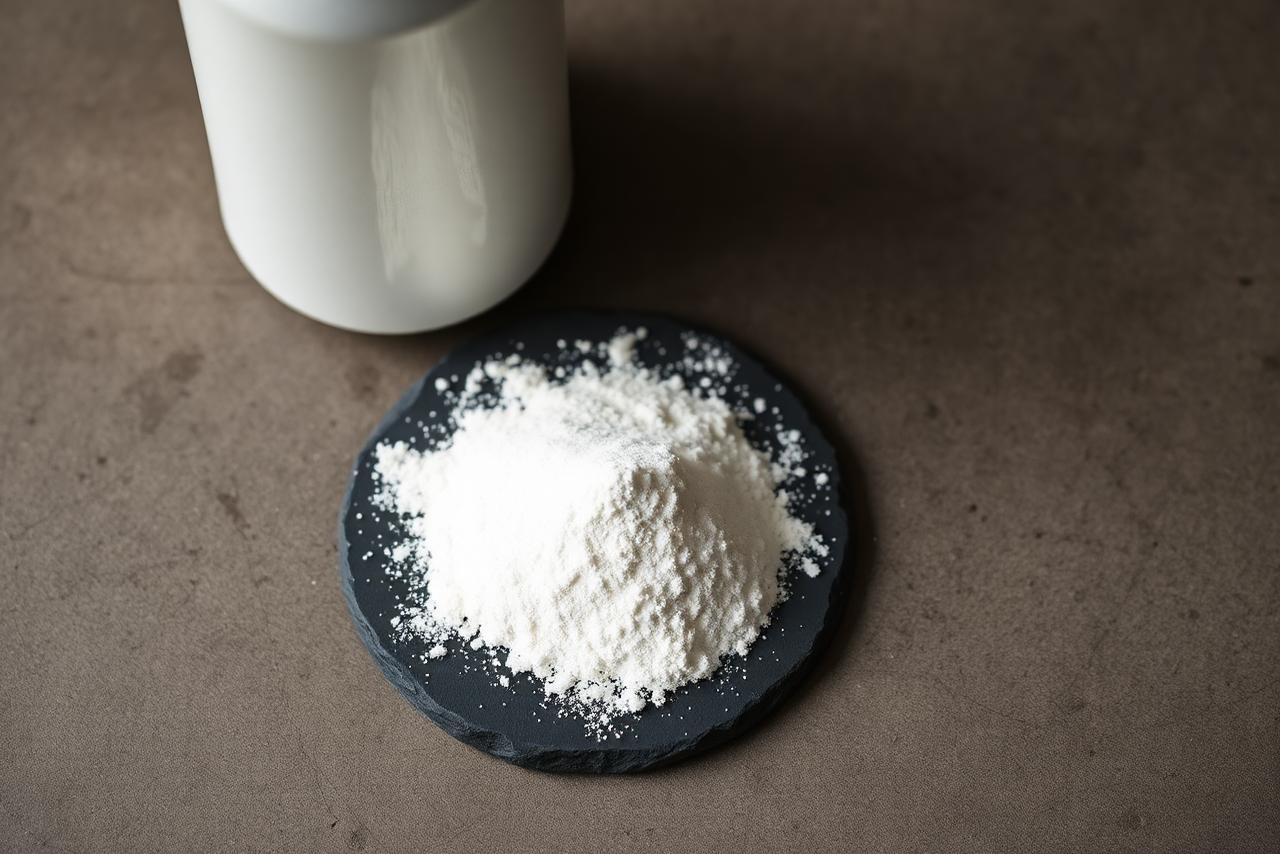
What acesulfame K is
Acesulfame potassium (Ace-K, E950) is the potassium salt of 6-methyl-1,2,3-oxathiazine 4(3H)-one 2,2-dioxide — a synthetic non-nutritive sweetener discovered by Karl Clauss at Hoechst in 1967. It is 200× sweeter than sucrose, heat-stable up to typical baking temperatures, and freely water-soluble, which makes it useful in beverages, baked goods, and dairy formulations where aspartame degrades.
Regulatory position
- FDA: approved 1988 (dry uses), extended 1998 (general use). ADI 15 mg/kg body weight per day.
- EFSA: E950; re-evaluated 2023, temporary ADI 9 mg/kg pending completion of additional genotoxicity data.
- JECFA: ADI 15 mg/kg.
Metabolism
Ace-K is not metabolised. Ingested doses are absorbed, distributed in extracellular water, and excreted unchanged in urine within 24 hours. It does not contribute calories, does not raise blood glucose or insulin acutely (Grotz & Munro, Regulatory Toxicology and Pharmacology 2009;55:1–5), and does not accumulate in tissues.
Where you'll find it
- Zero-sugar sodas (nearly always paired with aspartame or sucralose).
- Sugar-free gum and mints.
- Tabletop sweetener blends.
- Sugar-free dairy desserts and yoghurts.
- Some fortified sports drinks and protein powders.
How NakedCalorie flags Ace-K
Ace-K is a non-sugar sweetener and triggers NOVA Group 4 classification. It counts toward the cosmetic-additive tally, and — because it is almost always co-formulated with sucralose or aspartame — appears in products that already carry multiple UPF markers. See aspartame and sucralose for its usual formulation partners.
Frequently asked questions
- Is acesulfame K safe?
- The FDA, EFSA (E950, re-evaluated 2023), and JECFA all classify it as safe at established ADIs. It is excreted unchanged in urine and does not accumulate. The main critical voices come from older long-term rodent studies that regulators have not accepted as showing human relevance.
- What is the ADI?
- EFSA: 9 mg/kg body weight per day. JECFA and FDA: 15 mg/kg. For a 70 kg adult that is 630–1,050 mg/day — roughly 20+ cans of diet soda.
- Does it affect gut bacteria?
- Animal work (Bian, Frontiers in Physiology 2017;8:487) reported gut-microbiota shifts at high doses in mice. Human evidence is still limited and mixed. The WHO 2023 non-sugar sweetener guideline covers Ace-K in its conditional recommendation against non-sugar sweeteners for weight control.
- Why is it blended?
- Alone it has a metallic-bitter tail. Combined with sucralose or aspartame it produces a more sucrose-like profile at lower total sweetener use. This is why 'Coke Zero' formulations list both Ace-K and aspartame.
- Does it raise blood glucose?
- No — it is not metabolised for energy. Postprandial glucose and insulin responses are unchanged versus water in controlled trials in adults without diabetes.
Written by NakedCalorie editorial team.
Medically reviewed by Pending registered dietitian review — last reviewed July 15, 2026.
Educational information only, based on peer-reviewed literature and regulatory sources. Not medical advice.
Related in the knowledge base
- SweetenersAspartame
- SweetenersSucralose
- SweetenersSaccharin (E954)