
Organic certification
'Organic' is a regulated production claim in both the US (USDA National Organic Program, 7 CFR Part 205) and the EU (Regulation (EU) 2018/848). It certifies that the product was produced without synthetic pesticides, synthetic fertilisers, sewage sludge, GMOs, or ionising radiation, and — for animal products — that animals had outdoor access and were not given routine antibiotics or growth hormones. Organic certification is a process claim, not a nutrition claim.
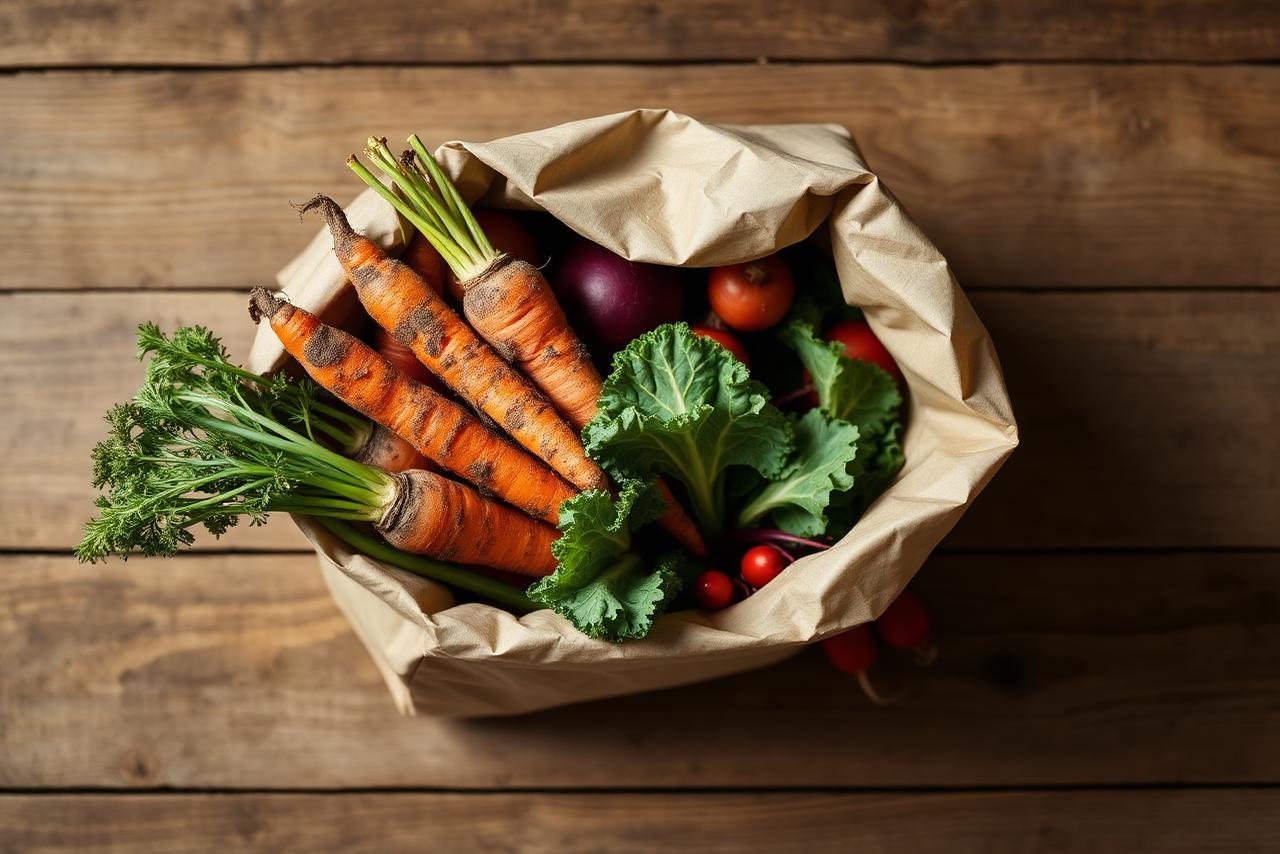
What organic certification is
Organic is a process claim regulated by government bodies. In the US, the USDA National Organic Program (7 CFR Part 205) governs the standard, enforced by accredited third-party certifiers. In the EU, Regulation (EU) 2018/848 replaced the earlier 834/2007 regulation in 2022; certification is issued by member-state competent authorities via accredited control bodies. The USDA Organic seal on a US package and the green "leaf" logo on an EU package both indicate certified compliance with the underlying rulebook — not an assessment of the product's nutritional quality.
Core rules
- No synthetic pesticides or synthetic fertilisers beyond a limited approved list.
- No GMOs.
- No sewage sludge or ionising radiation.
- Animals: outdoor access, no routine antibiotics or growth hormones, organic feed for at least 12 months prior to milk or meat production.
- Certified processing facilities must separate organic and conventional lines; parallel production is closely controlled.
- Annual on-site inspection by the accredited certifier.
US label tiers
| Tier | Requirement | USDA Organic seal permitted? |
|---|---|---|
| 100% Organic | All ingredients (excl. water and salt) certified organic | Yes |
| Organic | ≥ 95% organic by weight | Yes |
| Made with organic ingredients | ≥ 70% organic; up to 3 listed on front | No |
| Contains organic ingredients | Below 70% organic; ingredient list only | No |
Not a nutrition claim
Organic certification says nothing about a product's calorie, sugar, saturated-fat, sodium, or additive profile. An organic biscuit is still a biscuit; an organic cola is still a cola. A meta-analysis of nutrient content (Smith-Spangler 2012) found no clinically significant difference between organic and conventional produce for the nutrients that dominate the nutrition-facts panel.
How NakedCalorie treats organic
Organic status is displayed as metadata alongside the food-quality score, not folded into it. The NOVA processing group, additive profile, and per-serving thresholds carry the weight. See the 'natural' claim for a comparison to unregulated marketing terms and how to spot ultra-processed food for the ingredient-level view.
Frequently asked questions
- Is organic food more nutritious?
- Systematic reviews find small differences: slightly higher antioxidant polyphenols in some produce (Barański, British Journal of Nutrition 2014;112:794–811), lower cadmium residues, and 30–40% lower detectable pesticide residues. Total macronutrient and micronutrient content is essentially equivalent (Smith-Spangler, Annals of Internal Medicine 2012;157:348–366). The strongest arguments for organic sit on the production side, not the plate.
- What are the US organic labelling tiers?
- '100% Organic', 'Organic' (≥ 95% organic ingredients by weight excluding salt and water), 'Made with organic ingredients' (≥ 70%), and 'Contains organic ingredients' (< 70%, no USDA seal). The USDA Organic seal is permitted only for the top two tiers.
- Does organic mean pesticide-free?
- No. Organic production permits a defined list of natural and specifically approved synthetic pesticides (the USDA National List). Total pesticide use is generally lower and residues on food are typically lower, but organic is not zero-pesticide.
- Are US and EU organic mutually recognised?
- Yes, largely. A US–EU equivalence arrangement dating from 2012 recognises each other's organic certification for most products, with a handful of exceptions (US organic apples treated with antibiotic products are excluded from EU import; EU organic livestock treated with certain antibiotics excluded from US).
- Can ultra-processed food be organic?
- Yes. An organic frozen pizza, organic breakfast cereal, or organic snack bar can meet USDA and EU organic rules and still be a NOVA Group 4 formulation with cosmetic additives (from the organic-approved list). Organic certification is orthogonal to processing degree.
Written by NakedCalorie editorial team.
Medically reviewed by Pending registered dietitian review — last reviewed July 15, 2026.
Educational information only, based on peer-reviewed literature and regulatory sources. Not medical advice.
Related in the knowledge base
- Food labeling'Natural' on a food label
- Food labelingThe Nutrition Facts panel (US)
- Food labelingFront-of-pack labels